
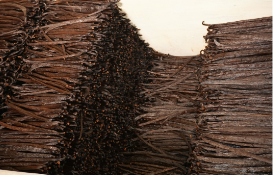
Sri Lanka Vanilla Bean Cultivation & Processing
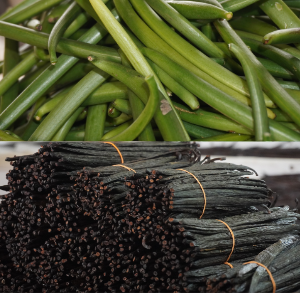
Sri Lanka Vanilla Bean Cultivation & Processing
Vanilla Cultivation in Sri Lanka started from 1880 by British explore “Antoine Joseph” in Haggala village in Kandy area.
In Sri Lanka Vanilla planifolia mainly grown in central province and low land wet areas. Total extent of the vanilla cultivation in Sri Lanka is more than 100ha.
The Sri Lanka Vanilla farmers using home gardens for growing vanilla as an additional income and are not using chemicals for their vines. With increased demand for Organic Vanilla Beans more farmers in Sri Lanka started to grow more plants. The green vanilla beans price in Sri Lanka is range from $10-20 per Kg.
With increase demand from international wholesalers for Ceylon Vanilla Beans, more businesses entering to production and distribution. But quality of Vanilla beans processing are mainly depend on the expertise of the curing process where only few Sri Lankan Vanilla Producers who have been in industry for many years
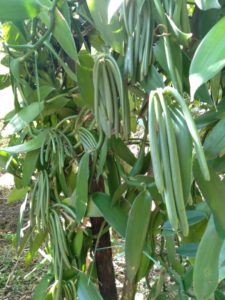
The main factors for a successful vanilla cultivation depends on climate, soil condition and other cultural practices during life cycle of the vanilla plant.
Rainfall : 2000-2500mm. Vanilla vine need 2-3 dry months to initiate flowering
Altitude & Temperature : Vanilla grows well upto 1000m above sea level. Best temperature for growing vanilla is 27c, but can grow 21-32c
Soil : Vanilla vine prefer soil with high organic matter (Humus). Also preferred loamy, well drained soil
The cultivation and processing of vanilla beans in Sri Lanka—often referred to as Ceylon Vanilla—is a meticulous, labor-intensive craft. Unlike industrial agriculture, Sri Lankan vanilla is primarily a “home garden” crop, grown in the lush, humid wet zones of the island.
The quality of the final product depends entirely on the transition from the green, odorless pod to the dark, fragrant bean through a complex biological and enzymatic process.
1. Cultivation: The Science of the Vine
Vanilla in Sri Lanka is typically the Vanilla planifolia species. Because it is an orchid, it requires a very specific microclimate to thrive.
Geography: Primarily grown in the Mid and Low Country Wet Zones, including districts like Kandy, Matale, Nuwara Eliya, and Kegalle.
Climate & Soil:
Temperature: Performs best at 27°C (range of 21°C–32°C).
Rainfall: 2000–2500 mm annually. Interestingly, a 2-month dry spell is essential to trigger flowering.
Soil: Requires loamy soil rich in organic matter (humus) with excellent drainage.
Support & Shade: Since vanilla is a climbing vine, it is grown on “support trees”—most commonly Gliricidia. These trees are pruned to maintain a 50–60% shade level, protecting the delicate vines from direct tropical sun.
Hand Pollination: This is the most critical step. Since the natural pollinators (Melipona bees) are not found in Sri Lanka, farmers must manually pollinate each flower by hand using a small needle or bamboo splinter. This must be done in the morning as the flowers bloom for only a few hours.
2. Processing: The “Bourbon” Curing Method
Freshly harvested green beans have no vanilla flavor. The signature aroma and dark color are “unlocked” through a 6-to-9-month curing process.
Stage Process Description Goal
1. Killing Dipping green beans in hot water (65
∘
C) for 2–4 minutes. Stops vegetative growth and triggers enzymatic reactions.
2. Sweating Beans are wrapped in wool blankets and placed in airtight wooden boxes for 24–48 hours. Develops the deep brown color and initial “vanillin” aroma.
3. Slow Drying Beans are spread in the sun for a few hours daily, then wrapped at night. Reduces moisture to about 30% over 3–4 weeks.
4. Conditioning Stored in wax-paper-lined boxes for several months in a cool, dark place. Allows the complex flavor profile (cocoa, fruit, spice) to fully mature.
3. Grading and Quality Standards
In Sri Lanka, the final price is determined by the length and moisture of the cured bean.
Grade A (Gourmet): Length > 15 cm. Oily, black, and supple with 25–35% moisture.
Grade B (Extract): Length 10–15 cm. Drier (18–25% moisture) and reddish-brown; preferred for making industrial extracts.
Indicators of Quality: A high-quality Sri Lankan bean will not break when tied in a knot. It should feel fleshy and have a distinct, slightly smoky and chocolatey aroma compared to the buttery scent of Madagascar beans.
4. Modern Innovations (2026)
The industry is shifting toward more technology-driven consistency:
Curing Chambers: Some exporters are moving away from weather-dependent sun drying to climate-controlled chambers to prevent mold and ensure uniform vanillin levels.
Traceability: Buyers can now often trace a batch of beans back to the specific “home garden” or co-op in the Kandy region using digital tracking systems. Vanilla planifolia Sri Lanka, organic vanilla farming Kandy, hand pollinated vanilla orchids, vanilla curing process steps, sustainable vanilla cultivation, wet zone vanilla production, Sri Lanka spice export industry, direct farm vanilla supplier