You are ready to bake, but the recipe calls for vanilla extract and the jar in your cupboard says vanilla bean paste. Can you use it instead? Will the flavor change, and do those little black specks make a difference?
When comparing vanilla extract vs vanilla bean paste, the biggest practical differences are texture, appearance, formulation, and convenience. Extract is a liquid that mixes easily into recipes. Paste is usually thicker and commonly includes visible vanilla seeds, making it useful when you want a speckled finish without splitting a whole pod.
Neither option is automatically better for every dessert. The right choice depends on your recipe, the product’s strength, and whether its additional ingredients matter. Here is how to choose between them, make sensible substitutions, and get consistent results.
Vanilla Extract vs Vanilla Bean Paste: The Quick Answer
Choose vanilla extract when you want easy measuring and mixing without needing visible seeds. It is a practical option for cakes, cookies, brownies, and many everyday baking recipes.
Choose vanilla bean paste when you want vanilla flavor with visible specks in foods such as custard, ice cream, buttercream, or a pale dessert. Always check the label because paste formulas can differ considerably.
For substitution, start with the manufacturer’s directions. Some products recommend equal amounts of paste and extract, but that is not a universal rule. Concentrated products, different recipes, and different ingredient lists can require different measurements.
The most useful comparison is between the actual products in your kitchen, not simply between the words extract and paste.
What Is Vanilla Extract?
Vanilla extract is a liquid preparation made by drawing aromatic flavor compounds from cured vanilla beans into a food-grade liquid carrier base, such as purified water combined with plant-derived vegetable glycerine or a natural botanical base. Its fluid form makes it easy to distribute evenly through batters, doughs, creams, and other culinary mixtures.
Commercial products vary in strength and formulation. Read the ingredient list rather than assuming every bottle contains the exact same carrier ingredients. A product sold as imitation vanilla flavoring or essence may also differ significantly from one crafted purely from real cured vanilla pods.
Across international markets, liquid vanilla preparations follow defined food-labeling and concentration standards based on the weight of vanilla beans used per liter and the purity of the finished product. Check the relevant product specification sheet if regional food classification or clean-label sourcing matters to your purchase.
For everyday baking, the main advantage is convenience. You can measure a small amount, stir it into the mixture, and achieve an even flavor distribution without scraping a pod or introducing a thick ingredient.
What Is Vanilla Bean Paste?
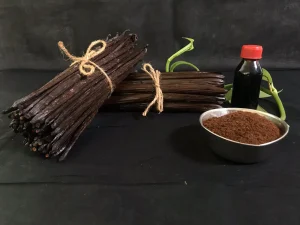
Vanilla bean paste is typically a thicker vanilla preparation containing visible seeds. Depending on the producer, it combines concentrated vanilla pod infusions and finely ground vanilla bean powder with a natural sweetening base, plant-derived vegetable glycerine, or a gentle botanical thickener to keep the seeds suspended.
There is no single recipe that describes every jar. One paste may pour slowly, another may be scoopable, and another may be sold as a double-fold concentrate. Those differences affect measuring, substitution, and suitability for particular diets or commercial manufacturing requirements.
Paste offers a convenient way to add the unmistakable appearance of real vanilla seeds without working with a whole bean. It is especially appealing in desserts where the tiny black specks remain visible against a pale background.
However, visible seeds alone do not establish how strong the flavor will be. Evaluate the complete product, including its ingredient list, usage directions, and performance in your recipe.
The Main Differences Between Extract and Paste
Texture and Mixing
Extract is a liquid, so it usually disperses effortlessly. Paste is thicker and may need more thorough whisking or folding, particularly when added to a cold or dense preparation.
Most liquid extracts add warm flavor without obvious seeds, keeping batters uniform in color. Paste commonly supplies abundant visible specks that make a pale dessert look unmistakably crafted with real vanilla pods.
For paste, measure carefully and scrape the spoon or scoop completely. A thick product left behind on the utensil changes the amount that reaches the recipe. For larger bakery batches, weighing the paste in grams according to the supplier’s directions improves batch-to-batch repeatability.
Appearance
The visual effect is far less noticeable in dark chocolate cakes, fudge brownies, or heavily spiced mixtures. In those recipes, paying extra for visible specks may not provide a meaningful visual benefit unless you specifically prefer that paste’s rich flavor profile.
Ingredient Lists
Pure pastes typically include natural syrups, vegetable glycerine, ground vanilla pods, and a plant-based stabilizer such as xanthan gum. Liquid extracts also vary in their carrier bases depending on the producer and target market. Neither category should be judged from the front label alone.
If you need to control added sugar, avoid restricted solvents, or meet a strict clean-label or halal customer specification, compare the full ingredient declarations and request supporting specification sheets where necessary.
Flavor Strength
Paste is not automatically stronger than liquid extract. Concentration depends on the quantity and quality of cured vanilla pods used in the formulation, not how thick the product looks on the spoon. A highly concentrated liquid infusion may require less volume than a standard paste, while a pod-rich gourmet paste may deliver deeper aroma than an ordinary everyday extract.
Follow product-specific guidance and compare results in the same base recipe. Changing the vanilla format, quantity, and baking method simultaneously makes it harder to tell which variable affected the final flavor.
When Should You Use Vanilla Extract?
Cakes, Cookies, and Brownies
Liquid extract is a convenient starting point for familiar baking recipes that specify it. It blends seamlessly into wet ingredients such as eggs, milk, or melted butter and does not require you to account for a thick syrup base.
In brownies, chocolate chip cookies, or richly spiced cakes, visible vanilla seeds are difficult to spot in the baked crumb. Choose based on aroma, clean ingredient standards, availability, and cost-per-batch rather than seed appearance alone.
Recipes with Small Measured Quantities
If a home batch needs only a quarter or half teaspoon, a pourable liquid extract can be easier to measure cleanly with a narrow measuring spoon. Use the exact quantity written in the recipe unless your product is concentrated or provides a different conversion ratio.
Do not assume a casual splash is equivalent to a measured teaspoon. Flavor consistency is much easier to maintain when you record exact measurements, especially when testing different suppliers.
When Should You Use Vanilla Bean Paste?
Custards, Panna Cotta, and Ice Cream
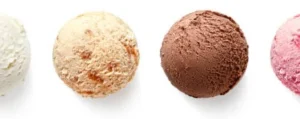
Paste is ideal when you want real vanilla caviar seeds suspended across a smooth, pale dessert. It provides the artisan look and rich aroma of high-elevation cured pods without splitting and scraping individual beans by hand.
Whisk it thoroughly into warm dairy or cream bases so that the specks distribute evenly without clumping. For an unfamiliar brand, test a small trial batch before committing to a full commercial production run, as natural syrups and thickeners can interact differently in delicate set custards than in sturdy cake batters.
Buttercream, Frosting, and Dessert Fillings
Vanilla bean paste adds gourmet specks and concentrated aroma to buttercream, whipped cream, and pastry fillings without introducing excess free water that could loosen or split a sensitive emulsion. Check the paste’s natural amber tone as well as its seed density if you need a bright ivory finish.
Start with the recommended measurement and taste the finished frosting. Adding extra paste solely to increase the number of black specks can make the vanilla note overpowering or alter the sweetness balance.
Recipes Where Whole Beans Are Impractical
Paste saves substantial preparation time when a commercial recipe would otherwise require splitting and scraping dozens of whole pods. That labor savings is invaluable in a busy pastry kitchen, gelateria, or large seasonal baking session.
Keep in mind that paste does not replace every culinary function of a whole pod. A whole Sri Lanka Grade A Vanilla Bean can be steeped gently in warm milk or cream and removed for a crystal-clear infusion, whereas paste remains permanently blended inside the mixture. Choose according to your preparation method, not only the desired seed appearance.
Can You Substitute Vanilla Bean Paste for Extract?
Often, yes—start with the manufacturer’s recommended conversion ratio. Most pure gourmet pastes are formulated for a straightforward one-to-one substitution by volume (1 teaspoon paste = 1 teaspoon extract) in standard baking recipes.
Do not apply the same rule blindly to multi-fold industrial concentrates or unfamiliar brands. If no usage directions are printed on the label, contact the supplier or test a small pilot batch rather than assuming equal spoonfuls deliver identical flavor intensity.
In everyday cakes, muffins, and cookies, a direct swap works seamlessly without noticeable texture changes. However, recipes that are highly sensitive to moisture, sugar ratios, or hydrocolloid stabilizers—such as macarons, tempering-grade chocolate work, and scaled factory formulations—deserve a dedicated trial test first.
Can You Substitute Extract for Vanilla Bean Paste?
Usually, a pure botanical liquid extract can supply the necessary vanilla aroma in a pinch, though it will not reproduce the paste’s signature black caviar specks. If visual presentation matters on the plate or display case, consider whether losing those real vanilla seeds changes the customer experience you want to deliver.
Check the strength of both products and follow your supplier’s guidance. Equal volume does not always guarantee equal aromatic punch, and adding a larger volume of thin liquid extract may slacken a stiff frosting or meringue.
For a specialty pastry recipe built specifically around the body and seed suspension of vanilla bean paste, look for a tested alternative—such as scraping a fresh Grade A Ceylon Vanilla Pod—rather than simply doubling the liquid extract.
Are Vanilla Extract and Paste Suitable for Halal and Clean-Label Kitchens?
Do not assume every commercial vanilla bottle or jar on the general market automatically meets halal and pure clean-label standards. Many conventional mass-market extracts and blended pastes use restricted solvent carriers that do not align with halal dietary principles. At PureVanillaBeans.com, we believe in pure, wholesome culinary ingredients—where authentic vanilla flavor comes from hand-selected, sun-cured Sri Lankan Vanilla planifolia pods paired only with clean, plant-based carriers such as food-grade vegetable glycerine, natural syrup, or pure ground vanilla powder.
Always read the complete ingredient panel and request current product specifications and halal documentation whenever dietary compliance is essential for your household, bakery, or food brand. Follow the certification and ingredient standards accepted by your customers or certifying authority rather than assuming suitability from the word “natural” alone.
Remember that oven heat and baking time never turn an unsuitable carrier ingredient into a halal-compliant one. If your kitchen, bakery, or product line upholds strict halal and wholesome family standards, always choose a verified, pure botanical vanilla paste, plant-glycerine infusion, or whole cured vanilla beans from the very start.
How Do Whole Vanilla Beans Compare?
Whole cured pods—as detailed in our Grade A vs Grade B Vanilla Beans Buyer’s Guide and Vanilla Beans vs Vanilla Pods Guide—offer complete culinary control over preparation. You can split the pod to scrape the fresh caviar seeds, steep the whole pod Husk in warm dairy, or grind dried pods into pure powder. Whole beans require hands-on prep work and naturally vary in pod length and moisture content.
Liquid extract prioritizes fast, pourable dosing. Vanilla bean paste combines spoonable convenience with the visual hallmark of real suspended seeds. Whole beans remain unmatched when a recipe specifically calls for steeping the pod or when you want 100% single-ingredient purity straight from the curing floor.
There is no need to treat these formats as a rigid hierarchy from basic to luxury. Each format solves a distinct kitchen challenge—choose the one that fits your recipe, dietary standards, workflow, and cost targets.
How to Choose a Vanilla Paste for Your Kitchen
Before ordering, review the full ingredient list, recommended dosing ratio, pack sizes, storage instructions, and halal or clean-label documentation. Confirm whether the paste is formulated at single-fold standard strength or as a multi-fold commercial concentrate, and check whether your kitchen prefers measuring by volume (teaspoons) or weight (grams).
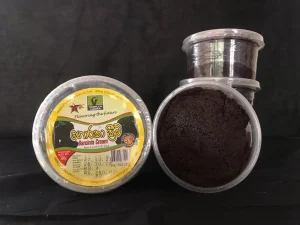
For an authentic, factory-direct Sri Lankan option crafted from high-elevation Kandy and Wattegama pods, explore our Ceylon vanilla bean paste here: Sri Lanka Vanilla Beans Paste (Wholesale Sizes: 50g, 100g, 500g, 1kg, 5kg) and our pound-tier options on the Premium Ceylon Vanilla Beans Paste Page.
Confirm current batch specifications and pack sizes before ordering. If you operate a commercial bakery, gelateria, or food manufacturing line, request lot details tailored to your production requirements and test a sample batch in your signature recipe before scaling up.
Storage and Handling Tips
Follow the preservation instructions printed on your specific bottle or jar—alongside the core principles in our guide on How to Store Vanilla Beans: Keep Pods Fresh Longer. Storage needs can differ between formats, especially for thick, syrup- or glycerine-based paste formulations after opening. Do not assume storage habits for a thin liquid extract apply identically to every jar of paste.
Close lids tightly immediately after measuring, keep jars in a cool, dark cupboard away from oven heat and sunlight, and always use clean, completely dry spoons. Keep product labels and batch details intact for traceability, and never pour unused measured portions back into the master container.
Inspect your jar before each bake and never use any ingredient showing condensation contamination or an unexpected off aroma. Clean handling keeps every spoonful fresh from the first bake to the bottom of the jar.
Frequently Asked Questions
Is Vanilla Bean Paste Better Than Extract?
Not universally. Vanilla bean paste excels when you want visible vanilla caviar seeds, rich body in moisture-sensitive frostings, and fast preparation without scraping whole pods. Liquid extract works well for effortless mixing in dark batters like brownies and chocolate cakes. Compare the specific ingredient lists and choose according to the dish you are making.
Does Paste Contain More Vanilla?
Not necessarily. Thickness on the spoon and visible seed count depend on the carrier base and ground pod content, whereas true flavor concentration depends on the weight of cured vanilla beans used per kilogram or liter. Check the supplier’s fold strength and usage directions rather than assuming a thicker product is automatically more concentrated.
Can I Use Both in One Recipe?
Yes, if that suits your recipe, provided you balance the total combined amount. Using a half-measure of pure liquid extract for background warmth alongside a half-measure of vanilla bean paste for visible caviar specks works beautifully in cakes and custards without overwhelming the final flavor.
Choose Vanilla for the Result You Want
The smartest way to decide between vanilla extract vs vanilla bean paste is to weigh flavor depth, visual seed specks, clean halal-friendly ingredients, and kitchen convenience together. Reach for a pure botanical liquid extract when effortless mixing suits dark everyday batters, and choose Sri Lanka Vanilla Beans Paste whenever real Ceylon vanilla specks and rich, whole-pod character are part of the desired finish.
Explore our Sri Lankan vanilla bean paste using the product links above, browse our Bulk Vanilla Beans Wholesale Hub, or request current wholesale quantities and product specifications at https://purevanillabeans.com/. Start with a pure, well-documented product, follow its dosing directions, and let your recipe guide the final choice.