
Open two jars of vanilla beans side by side – one labelled Grade A, one labelled Grade B – and the difference can look confusingly small. Same species (Vanilla planifolia), same harvest, sometimes even the same farm. Yet one jar costs clearly more than the other, and every seller insists their grading means something.
It does. Grade A and Grade B vanilla beans differ in moisture content, texture, flavour concentration, price and – most importantly – the jobs each one is best at. Buy the wrong grade and you either overpay for pretty pods you are about to dissolve in vodka, or you split a brittle, dry bean over a custard and wonder where all the seeds went.
This guide explains exactly how the two grades differ, where the labels come from, which grade to buy for extract, baking, paste or wholesale – and how to spot a mislabelled bean before you pay for it.
Grade A vs Grade B Vanilla Beans: The 30-Second Answer
| Quick verdict Grade A (gourmet / prime grade): higher moisture (roughly 25-35%), plump, glossy, flexible pods. Buy it when the pod itself appears in the finished dish – split seeds, paste, infusions, garnish. Grade B (extract grade): drier (roughly 15-25%), leaner pods, often with cosmetic scars or splits. Flavour compounds are more concentrated per kilo and the price per pod is lower. Buy it for extract, vanilla sugar, powder and infusions. Rule of thumb: if you eat or see the pod, buy Grade A. If you steep, grind or dissolve it, buy Grade B. |
What Do Vanilla Bean Grades Actually Mean?
Unlike coffee or cocoa, vanilla has no single legally enforced grading standard. Grades are an industry convention: exporters and wholesalers sort cured pods into bands based on moisture content, appearance (colour, sheen, scars, splits), length and the quality of curing. Grade A is the top band – also sold as gourmet, prime or finest grade. Grade B is the second band – almost universally called extract grade.
Two things are worth knowing before you compare any two sellers. First, the letter grade and the bean length (usually quoted in inches or centimetres) are separate axes: a 4-5 inch Grade A bean and a 7-8 inch Grade A bean are the same grade, different size class. Second, because grading is seller-defined, the moisture percentage matters more than the letter. A serious seller publishes moisture specs per product; we do – our Ceylon Grade A runs 25-30% moisture and our Grade B runs 15-20%. Whenever you shop elsewhere, ask for the moisture number behind the label.
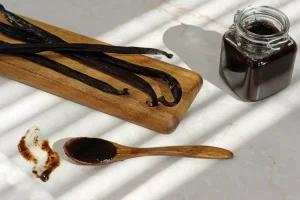
Grade A Vanilla Beans (Gourmet / Prime Grade)
Grade A beans are cured to retain more moisture – typically 25-35%, and 25-30% for our Sri Lanka (Ceylon) Grade A lots. That moisture is what makes them plump, glossy and slightly oily to the touch, with intact skins and a flexible body that bends fully without snapping. Only the best-cured, unblemished pods of a harvest qualify, which is a big part of why the grade costs more: it is a selection rate, not just a drying decision.
Grade A is the right buy when the pod – or its seeds – ends up visible or texturally important in the finished dish:
- Splitting and scraping the seeds (the caviar) into custard, ice cream, ganache, creme brulee or frosting
- Infusing a whole pod into cream, milk, syrup or honey, then serving that infusion unstrained or lightly strained
- Making vanilla bean paste, where pod flesh and seed volume define the texture of the jar
- Plated garnish and glass-jar presentation, where a beautiful pod is part of the product
Grade B Vanilla Beans (Extract Grade)
Grade B beans are dried further – typically 15-25% moisture, and 15-20% for our Ceylon Grade B. They look leaner and more matte, and many carry cosmetic scars or small splits from curing. Critically, these are not failed beans: they usually come from the same harvest and the same curing rooms as Grade A, sorted out for appearance or dried longer on purpose.
The lower moisture is a feature, not a flaw. With less water in the pod, flavour compounds – vanillin above all – are more concentrated by weight, and you get more pods per kilogram. That is exactly the profile you want when the bean is going to be steeped, ground or dissolved:
- Homemade or commercial vanilla extract – the classic extract-grade job
- Vanilla sugar and vanilla salt, where split pods are buried in sugar or salt
- Ground vanilla powder for dry mixes, rubs and dusting
- Infusing spirits, coffee, oats, kombucha or syrup where the pod is discarded afterwards
- High-volume baking where seeds disperse into a batter and cosmetics are irrelevant
Grade A vs Grade B: Side-by-Side Comparison
| Factor | Grade A (Gourmet / Prime) | Grade B (Extract) |
| Moisture content | ~25-35% (Ceylon Grade A: 25-30%) | ~15-25% (Ceylon Grade B: 15-20%) |
| Appearance | Plump, glossy, oily sheen, intact skin | Leaner, matte; scars or small splits common |
| Texture | Soft and flexible; bends fully without snapping | Firmer and drier; tips can snap |
| Aroma in the jar | Bright, sweet, floral-forward | Deeper, raisiny, concentrated |
| Flavour per unit weight | Slightly diluted by water weight | More concentrated (less water per pod) |
| Pods per kilogram | Fewer (heavier, moister pods) | More (lighter, drier pods) |
| Price per pod | Higher | Lower |
| Seed (caviar) yield per pod | High – plump, sticky seed mass | Moderate – drier seed mass |
| Best for | Whole-pod cooking, paste, seeds, garnish, retail packs | Extract, vanilla sugar, powder, infusions, bulk production |
| Storage behaviour | Can dry out if left open; may frost with vanillin crystals | Very stable and forgiving |
The 5 Differences That Actually Matter in the Kitchen
1. Moisture content drives everything else
Almost every other difference on the chart traces back to water. Moisture sets the pod’s weight (and therefore the price per kilo), its texture, how many pods fit in a kilo, and how it behaves in alcohol or sugar. In whole-pod cooking, moisture is plumpness and seed yield. In extract making, drier beans put more flavour solids and less water into your spirit. Once you know a bean’s moisture percentage, you can predict most of its behaviour – which is why we publish it on every product page.
2. Appearance – and what you are paying for
A meaningful slice of Grade A’s premium pays for cosmetics: unbroken skins, even colour, glossy sheen. If the pod will be visible in the dish or on the shelf, that premium buys you something real. If the pod is going to spend eight weeks in a jug of vodka and then be binned, you are paying for looks you will never see. Match the grade to the visibility of the pod and the price question answers itself.
3. Flavour concentration vs flavour presentation
Per unit of weight, Grade B usually wins on intensity: less water means concentrated vanillin and aromatic compounds. Per pod on the plate, Grade A wins on presentation and seed volume. One nuance worth understanding: vanillin is only one of several hundred aroma compounds in a cured pod, and grade does not change origin character. A Ceylon bean’s sweet, floral-creamy profile – or a Madagascar bean’s creamy sweetness, or an Uganda bean’s bold raisiny notes – comes from terroir and curing. Compare grades within an origin; compare origins by flavour profile.
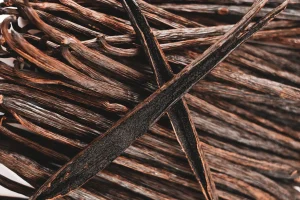
4. Price and cost-per-use
Per pod, Grade A costs more – sometimes twice as much. Per unit of delivered flavour in an extract, Grade B usually wins, because you get more pods per kilo and each gram carries less water. The maths flips for paste and seed-forward work: Grade A’s plump pods yield noticeably more caviar per pod, so your cost per jar of paste can favour Grade A even at a higher price per bean. Judge by cost per finished product, not cost per bean.
5. Shelf life and storage behaviour
Grade A’s moisture is also its vulnerability: stored loosely, a Grade A bean slowly dries towards Grade B territory and loses the plumpness you paid for. Keep it airtight. A white frosting on Grade A beans is usually vanillin crystallising – a quality sign, not mold (mold is fuzzy, green-grey and smells off). Grade B, already dry, is remarkably forgiving and stores well for two years or more in a sealed jar in a dark cupboard.
Which Grade Should You Buy? A Use-Case Guide
| Your project | Best grade | Why |
| Homemade vanilla extract | Grade B | Concentrated flavour, more pods per kilo, lower cost per litre |
| Commercial extract / large infusions | Grade B (wholesale kg) | Cost-per-unit-flavour at volume |
| Vanilla sugar, salt or powder | Grade B | Dryness helps grinding; cosmetics irrelevant |
| Custards, ice cream, ganache with visible seeds | Grade A | Plump, sticky caviar; easy to split |
| Homemade vanilla bean paste | Grade A | Seed volume and pod flesh define paste texture |
| Retail packs, gifting, shelf presentation | Grade A | Appearance is the product |
| Restaurant kitchen doing both jobs | Both | B for extract and infusion stock, A for finishing |
Can You Substitute One Grade for the Other?
Yes – with two adjustments. Using Grade A for extract works perfectly well and tastes wonderful; you are simply paying a cosmetic premium that the alcohol will erase, and the extra water in the pods is negligible at home-extract ratios. Using Grade B in pod-forward dishes also works, but the pods are more brittle to split and the seed mass is drier, so it is best blended (into paste, butter or ground preparations) rather than plated.
The adjustment that matters is counting. Grade B pods are lighter, so a recipe written in pods behaves differently across grades: six Grade A pods can outweigh six Grade B pods by a third or more. Where precision matters – extract batches, commercial recipes – buy and dose by weight, and the grades become freely interchangeable.
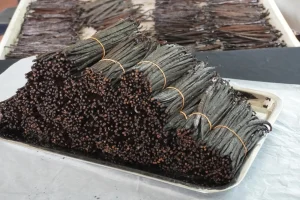
How to Spot Mislabelled or Over-Graded Beans
Because grading is seller-defined, a bad actor can sticker Grade B pods as Grade A. Five checks catch most of it:
- The bend test: a true Grade A pod bends into a loop or U without snapping. A pod sold as Grade A that cracks is under-moistured for its label.
- The sheen test: Grade A shows a glossy, faintly oily surface; a chalky-matte pod is a drier bean.
- The heft test: Grade A feels heavy and fleshy for its length; Grade B feels light and papery.
- The split test: open one pod. Grade A reveals a plump, sticky, generous seed mass; a dry, sparse interior suggests extract-grade moisture.
- The paperwork test: ask for moisture percentage, origin, crop year and curing method. Reputable sellers publish these per lot – we list moisture on every product page – and vague answers are a red flag.
Storing Grade A and Grade B Beans So They Last
- Airtight always: glass jars with rubber gaskets or vacuum-sealed bags. Air is the enemy of Grade A’s moisture.
- Cool and dark: a cupboard at roughly 15-20 C, away from the stove, sunlight and humidity swings.
- Never the fridge or freezer: condensation on removal invites mold and damages aroma.
- Away from strong odours: vanilla absorbs neighbours – keep it clear of coffee, spices and cleaning products.
- Expect different clocks: Grade A is at its textural best within 12-18 months (still flavourful well beyond); Grade B happily keeps 24 months or more.
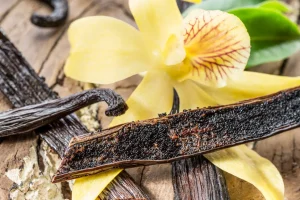
Grade A and Grade B Ceylon Vanilla Beans from PureVanillaBeans.com
We grow, cure and export single-origin Sri Lanka (Ceylon) Vanilla planifolia as Ceylon Vanilla Lanka Pvt Ltd – which means every pod we sell, Grade A or Grade B, comes from the same traditional sun-curing process and is vacuum-sealed at source. Our Grade A lots (25-30% moisture) are hand-selected for plumpness and sheen; our Grade B lots (15-20% moisture) are dried deliberately for extract work. Both are available in retail bean counts and wholesale kilograms, with moisture specs published on the product page.
- For pod-forward cooking: Sri Lanka Vanilla Beans Grade A (6-7 in.) in retail counts of 5-30 beans.
- For extract and infusions: Grade B Vanilla Beans Sri Lanka (5-6 in.) in retail counts of 5-50 beans.
- For production volumes: wholesale Grade A beans by the kilogram and wholesale Grade B beans by the kilogram, from 1 kg to 10 kg lots.
Grade A vs Grade B Vanilla Beans: FAQ
Is Grade B vanilla lower quality than Grade A?
No. Grade B is sorted for a different job, not downgraded for bad quality. The pods typically come from the same harvest and curing process; they are drier and carry cosmetic marks. For extract, sugar and powder, Grade B is the smarter buy – and often the more flavour-concentrated one.
Which grade do professional bakeries and distilleries use?
Mostly Grade B for anything steeped or ground – extract, infused bases, vanilla sugar – and Grade A for finishing work where seeds or pods are visible. Kitchens that do both keep both grades in stock, because each is cheaper at its own job.
How many Grade B beans do I need for homemade vanilla extract?
A reliable home ratio is about 25-30 g of Grade B beans per 250 ml (1 cup) of 40% spirit – roughly 8-10 pods of 5-6 inches – split lengthwise, steeped 8-12 weeks in a dark cupboard with a weekly shake. That lands near single-fold strength; the US FDA standard for single-fold extract is 13.35 oz of beans per gallon of 35% alcohol, which is where the ratio comes from.
Does Grade A make better vanilla extract?
Not meaningfully. The extract process pulls flavour out of the pod regardless of cosmetics, and Grade A’s extra water and premium price add nothing to the jar. Grade B delivers equal or better flavour per dollar in extract – which is why it is called extract grade.
Why is Grade A more expensive if Grade B has more vanillin per weight?
Because price reflects scarcity and utility, not vanillin alone. Grade A represents the small, unblemished share of a harvest, yields more seed caviar per pod, and carries demand from chefs, retailers and gifters who need the pod to look as good as it tastes.
Can I make vanilla paste or powder from Grade B beans?
Powder: yes – the dryness actually helps grinding. Paste: prefer Grade A, because paste texture depends on moist pod flesh and generous seed mass; Grade B paste comes out drier and less glossy.
Are grades consistent across origins – Madagascar, Uganda, Sri Lanka, Mexico?
The letters describe similar moisture and appearance bands everywhere, but flavour character is an origin and curing story, not a grade story. Compare grades within one origin to choose your use case; compare origins to choose your flavour profile.
Grade A and Grade B are not good versus better – they are two tools. Grade A is the presentation and seed-yield grade: plump, glossy, flexible pods for splitting, scraping, pasting and garnishing. Grade B is the flavour-economy grade: drier, more concentrated, cheaper per pod, made for extract, sugar, powder and infusions. Decide whether the pod will be seen in the finished product, and the choice makes itself.
Ready to stock up? Browse our Sri Lanka Vanilla Beans Grade A for pod-forward cooking, our Grade B extract beans for the extract jar, or jump straight to wholesale kilograms in the shop. Either way, you will know exactly what the moisture number on the label is paying for.