
Homemade vanilla extract needs just two ingredients: cured vanilla beans and a suitable food-grade spirit. Split or chop the beans, cover them with alcohol, seal the jar, and let time develop the flavor. The hands-on work takes about 10 minutes; the infusion takes months, not minutes.
For an easy home batch, use 28 g (1 oz by weight) of vanilla beans for every 237 ml (8 US fl oz) of 40% ABV vodka. Keep the beans submerged and store the sealed jar in a cool, dark cupboard. Begin checking the flavor after about three months, with six to twelve months as a useful planning window for a fuller result. Timing varies with the beans, their preparation and the spirit.
Quick recipe: homemade vanilla extract
- Vanilla beans: 28 g / approximately 1 oz by weight; Grade B or Grade A
- Alcohol: 237 ml / 8 US fl oz plain vodka, 40% ABV / 80 US proof
- Equipment: Clean, completely dry glass jar, about 300–350 ml or larger, with a tight-fitting lid; scale, knife, funnel and label
- Prep / infusion: About 10 minutes active prep; plan 6–12 months of infusion, checking earlier for progress
- Batch size: Starts with 237 ml of alcohol; final recoverable liquid varies with absorption and straining
Method in brief: weigh the beans, split or chop them, put them in the jar, add the measured vodka, seal and label. Shake gently about once a week and keep all bean pieces below the liquid. Do not heat the alcohol.
Which vanilla beans should you use?
Grade B beans are commonly sold for extraction and are a practical starting point. They tend to be drier than gourmet Grade A beans. Grade A also works; you do not need to discard good beans simply because the label says gourmet. Supplier grading conventions vary, so buy from a source that identifies the origin and intended use.
For a Sri Lankan option, explore our Sri Lankan Grade B vanilla beans: https://purevanillabeans.com/product/sri-lanka-grade-b-vanilla-beans/. Choose the quantity based on the weight your recipe needs, not an assumed number of pods per bottle. If a listing sells by bean count, ask for an approximate pack weight before ordering.
Always start with sound, properly cured beans. Do not use beans with visible fuzzy growth or an unexpected musty smell. Origin can influence aroma, but curing, storage and the individual lot matter too. A side-by-side batch is a better guide to your preference than a claim that one origin is automatically best.
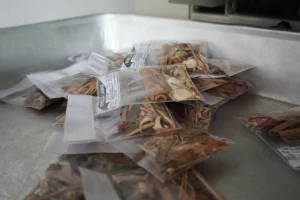
The vanilla bean-to-alcohol ratio
Our easy-to-remember home recipe uses about 1 oz of beans per 8 US fluid ounces of alcohol. The first ounce measures weight; the second measures liquid volume. Counting six or eight beans is less dependable because bean size and moisture vary.
- 118 ml / 4 US fl oz: 14 g
- 237 ml / 8 US fl oz: 28 g
- 250 ml: 30 g
- 473 ml / 16 US fl oz: 57 g
- 500 ml: 60 g
- 750 ml: 90 g
- 1 litre: 120 g
Amounts are rounded for home use. Measure the spirit separately: a jar marked 250 ml cannot necessarily hold 250 ml of alcohol plus beans and shaking room. Use a larger jar or scale the entire recipe down.
A note on commercial standards: this convenient home ratio is not the exact wording of the US legal standard. US rules specify at least 35% alcohol by volume and one unit of vanilla constituent per gallon of finished extract; the bean-unit definition includes a moisture adjustment. Starting with 40% vodka and a home recipe does not certify the finished product for sale or prove its final alcohol percentage.
What is the best alcohol for vanilla extract?
Plain, unflavored 40% ABV vodka is a straightforward first choice because its relatively neutral flavor lets you evaluate the vanilla. Rum, bourbon and brandy can also be used, but their own flavors become part of the result. Choose a spirit you would be comfortable using in food.
Check the ABV label rather than assuming every bottle has the same strength. This recipe uses 40% ABV, also called 80 proof in the US. Do not substitute rubbing alcohol, denatured alcohol or any non-food-grade solvent. Avoid adding water, syrup or fruit to this recipe: doing so changes the formulation and alcohol concentration.
Step-by-step instructions
Step 1: Clean and dry your equipment
Wash the jar, lid, funnel and utensils thoroughly, rinse well and let them dry completely. Use a food-safe glass container and an intact, tightly sealing lid. Choose a jar large enough for the measured spirit, beans and a little headspace.
Step 2: Weigh and prepare the beans
Weigh 28 g of beans for 237 ml of vodka. On a stable cutting board, carefully slit each bean lengthwise to expose the interior. You may instead chop the beans into shorter pieces. If the beans are brittle, chopping is easier than trying to prise them open. Keep both the pod pieces and the seeds for the infusion.
Step 3: Add the measured alcohol
Place the beans in the jar and pour in the vodka with a funnel. Make sure the pieces are fully covered. If long pods stick above the surface, shorten them or change to a better-fitting jar rather than casually adding an unmeasured amount of alcohol.
Step 4: Seal and label the batch
Close the lid securely and give the jar a gentle shake. Label it with the start date, bean origin, bean weight, spirit type and measured volume. This makes it easier to compare batches later and prevents a young infusion being mistaken for a mature extract.
Step 5: Store away from heat and light
Put the jar in a cool, dark cupboard away from the stove and direct sunlight. Shake gently about once a week, check the seal and keep the beans submerged. Refrigeration is not needed for this alcohol-based recipe. Never microwave or warm the jar to speed things up: spirits are flammable.
Step 6: Check flavor and decant when ready
Start evaluating around three months, but allow longer if the aroma is still mostly alcoholic or the vanilla seems faint. Six to twelve months is a useful expectation for a well-developed home batch, not a guarantee or a safety test. Compare a small amount in a familiar baked recipe or a spoonful of sweetened milk rather than judging by brown color alone.
When you like the flavor, strain through a fine sieve; a coffee filter is optional if you want fewer fine particles. Transfer to a clean, dry, tightly sealed bottle and label it. Some liquid will remain in the beans, so the amount you bottle may be lower than the original measured spirit.
How long does homemade vanilla extract take?
Different guides give different timings. Beanilla describes an eight-week minimum and four to six months as ideal, while Sally’s Baking suggests six to twelve months. Those are recipe recommendations, not universal deadlines. Your bean preparation, spirit and flavor expectations affect when the batch is useful.
Think of the first weeks as the start of infusion, around three months as a reasonable first flavor check, and the following months as a chance to reassess. Darkening happens before you can assume the flavor is fully developed. This is extraction and maturation, not a fermentation project.
If you begin a batch in mid-October, do not promise it will be fully matured for Christmas that same year. A newly started jar can be given as an in-progress gift with clear instructions and a realistic future tasting date.
Common problems and what to do
- Strong spirit aroma: Young infusion or a strongly flavored spirit — Allow more time and evaluate in food; do not dilute with water.
- Weak vanilla flavor: Too little bean material, short steeping or depleted beans — Check recorded weights and time; use fresh beans for a predictable new batch.
- Bean pieces above the liquid: Long pieces, liquid loss or use of extract — Cut pieces shorter or decant and remove them; check the lid.
- Black specks or fine sediment: Seeds and small bean particles may settle — Filter if desired; do not assume every unusual change is harmless.
- Fuzzy growth, suspect contamination or an unexpected off odor: Potential spoilage or contamination — Do not taste or try to rescue a suspect batch; discard it.
- Flavor weakens after topping up: Fresh alcohol dilutes the existing extract — Keep a separate mature bottle and start a measured fresh batch instead.
Can you reuse the vanilla beans?
You can attempt a second infusion, but the beans have already given up some flavor and the result is less predictable. For consistency, make a new measured batch with fresh beans. Repeatedly topping up the same jar does not guarantee an endless supply of full-strength extract.
If you leave beans in a jar you are using, keep them submerged. Once that is no longer practical, remove them and transfer the liquid to a smaller sealed bottle. Do not put wet, alcohol-soaked beans straight into dry sugar for long-term storage; that introduces moisture and changes the storage conditions.
How to store and use your finished extract
Store the finished extract tightly closed, away from heat and sunlight, and use clean utensils. Label the batch and inspect it before use. An alcohol-based extract can keep well under suitable conditions, but this home recipe does not establish a tested expiry date or guarantee indefinite shelf life.
Try it in cookies, cakes, brownies, custards, buttercream or ice cream. Start with the amount your recipe specifies, then adjust future batches to taste because homemade strength varies. Alcohol is not guaranteed to disappear completely during cooking. This alcohol-based recipe should not be described as alcohol-free or assumed to meet a particular halal requirement.
Frequently asked questions
How many vanilla beans do I need for one cup of vodka?
Use weight rather than a fixed count: approximately 28 g of beans for 237 ml, or 8 US fl oz, of vodka in this home recipe. The number of beans needed depends on their size and moisture.
Can I use Grade A beans instead of Grade B?
Yes. Both can make a home infusion. Grade A is typically more moist, so do not assume the same bean count gives the same amount of vanilla solids. Follow a weight-based home recipe; commercial standardization requires more detail.
Can I make a stronger batch?
You can experiment with twice the home-recipe bean weight—about 56 g per 237 ml of alcohol—using a roomy jar. That doubles the bean loading, but it is not laboratory confirmation of legal double-fold strength. Use the finished result to taste.
Can I make this without alcohol?
Not by simply omitting or replacing the vodka. Glycerin-based vanilla flavorings need a different formulation and separate storage guidance. This article covers only an alcohol-based infusion.
Is homemade vanilla extract cheaper?
Sometimes. Compare your actual bean cost, spirit cost and bottle cost with the amount of usable extract you recover. Larger batches and reused suitable bottles can lower cost per millilitre, but premium beans and spirits can make homemade extract more expensive.
Should I add sugar?
No sugar is needed for this two-ingredient recipe. Keeping it simple also makes it easier to judge the flavor and compare batches.
Start with the right beans
A successful home batch starts with suitable beans, measured ingredients and patience. Explore our Sri Lankan Grade B vanilla beans, confirm the pack weight you need, and keep a clear label on your first jar: https://purevanillabeans.com/product/sri-lanka-grade-b-vanilla-beans/.
Making extract at business scale? Ask about current lot details, available quantities and wholesale pricing through our quote form: https://purevanillabeans.com/#quote-form. Confirm specifications and destination requirements before placing a commercial order.