
Good vanilla beans deserve better than an open packet at the back of a kitchen drawer. Once cured pods arrive in your kitchen, their condition depends on how you protect them from air, moisture, heat, and frequent handling. A simple storage routine helps preserve their aroma and makes your next baking project easier.
If you are wondering how to store vanilla beans, start with a clean, dry, airtight container kept in a cool, dark cupboard. Leave the beans whole until needed, handle them with dry hands, and check them periodically for changes. Avoid storing whole cured beans in the refrigerator as your everyday storage method.
Can vanilla beans last two years or longer? Some properly cured, well-packaged beans may remain usable for that long, but storage conditions and the starting condition of the beans matter. No home storage method can guarantee a two-year shelf life for every batch. Follow your supplier’s instructions and use the beans while their aroma and condition are still good.
The Best Way to Store Vanilla Beans at Home
For most home kitchens, the practical approach is straightforward:
- Keep cured vanilla beans whole rather than splitting them in advance.
- Use a clean, completely dry glass jar with a tight-fitting lid.
- Choose a jar reasonably close to the size of your bean bundle.
- Store the closed jar away from direct sunlight and sources of heat.
- Label the container with the purchase date and supplier details.
- Inspect the beans periodically without leaving the container open unnecessarily.
The goal is balance. You want to limit drying and unnecessary air exposure without introducing water or creating a damp environment. Adding moisture because a bean feels less flexible can cause more problems than it solves.
Why Vanilla Beans Dry Out or Deteriorate
Cured vanilla beans are not identical from one batch to another. Origin, curing, grade, packaging, and previous storage all influence how they look and feel when you receive them.
Gourmet beans are often more flexible and moist than extraction-grade beans. A drier Grade B pod is not automatically stale, and a glossy Grade A pod is not automatically in perfect condition. Judge the beans against the supplier’s description rather than expecting every pod to have the same texture.
Air exposure encourages moisture loss. Heat and light can reduce aroma quality over time. Added water, contamination, or unsuitable storage conditions can increase the risk of spoilage. Protecting your beans means managing all these factors together, not simply making the package as airtight as possible.
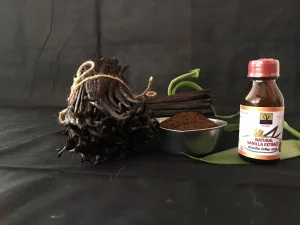
Choose the Right Storage Container
Use a Small, Airtight Glass Jar
A food-safe glass jar with an intact lid is a convenient choice. Glass is easy to clean and lets you inspect the beans without opening the container. A dark cupboard protects clear glass from light; an amber jar can provide additional light protection but still belongs away from heat.
Make sure the jar and lid are completely dry before adding the beans. If you wash a container, allow enough time for trapped water around the lid or seal to dry. Do not assume a quick wipe has removed every drop.
Choose a jar that holds the beans comfortably without a large amount of unnecessary empty space. Avoid forcing long pods into a container that crushes or damages them. A shorter bundle can go into a smaller jar, while longer beans may need a taller container.
Keep Suitable Original Packaging Until Opening
If your beans arrive in intact, sealed supplier packaging, follow the storage instructions on that pack. You do not need to open a sound package simply to transfer it into something more attractive.
After opening, check whether the packaging can genuinely reseal. A loosely folded packet or paper bag does not offer the same protection as a properly closed jar. For frequent use, transfer only the quantity you need into a working container and keep the remaining stock securely packaged.
Where Should You Keep Vanilla Beans?
Choose a cupboard with reasonably stable conditions, away from the oven, kettle, dishwasher, or a sunny window. A pantry shelf can work well if it stays dry and does not become hot during the day.
“Room temperature” does not mean every room is suitable. A kitchen that becomes extremely warm needs more careful stock management. Buy smaller quantities, choose the coolest appropriate indoor location, and ask your supplier for advice if your storage environment falls outside their recommendations.
Keep the container away from cleaning chemicals, pests, cooking splashes, and steam.
Should You Refrigerate Vanilla Beans?
For everyday storage of whole cured vanilla beans, a dry cupboard is generally a better choice than the refrigerator. Refrigerator storage complicates moisture management, particularly when a cold container is repeatedly opened in a warm, humid kitchen.
Condensation is the main concern. Moisture can collect as cold packaging warms, and opening the container before it reaches room temperature can expose the beans to damp conditions. Refrigeration also makes it harder to judge texture immediately after removal.
If your beans have already been refrigerated, do not panic or assume they must be discarded. Keep the container closed while it returns to room temperature, then inspect the beans carefully. Follow any product-specific guidance supplied with your purchase.
Freezing is not the default recommendation in this guide. Different packaging systems and commercial storage practices need their own instructions. For home use, buying manageable quantities and maintaining suitable cupboard storage is simpler than repeatedly freezing and thawing pods.
A Step-by-Step Vanilla Bean Storage Routine
Step 1: Inspect the Beans When They Arrive
Check the packaging for damage and review the product description. Look for unexpected moisture inside the package, obvious fuzzy growth, or a musty smell. If something seems wrong on arrival, photograph it and contact the supplier before mixing the beans with existing stock.
Do not wash cured vanilla beans before storing them. Water changes the storage conditions and does not make a questionable batch safe.
Step 2: Prepare a Clean, Dry Container
Wash and thoroughly dry your chosen jar if necessary. Check the lid, sealing ring, and rim for damage. Keep wet cloths and recently washed utensils away from the beans while you work.
Step 3: Transfer with Dry Hands or Utensils
Move the beans into the container using clean, dry hands or suitable dry utensils. Leave them whole. Splitting and scraping should happen when you are ready to use them, not when you first unpack the delivery.
Step 4: Label and Store
Record the purchase date, origin, grade, and supplier. If available, include the lot number. Put the jar in your chosen cupboard and keep different batches separate so that older stock can be used first.
Step 5: Check Without Constantly Opening
Inspect the container periodically and whenever you take out beans. You do not need a daily airing ritual. Open only as needed, check for unexpected changes, and close the lid promptly. If your supplier recommends a specific inspection routine, follow it.
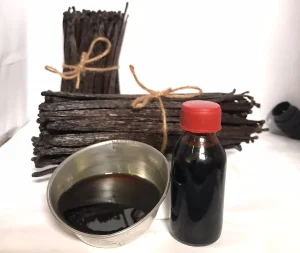
How Long Do Vanilla Beans Last?
There is no single expiry period that applies to every vanilla bean. A well-cured batch in suitable packaging may keep its quality much longer than beans exposed to heat, frequent handling, or poor storage.
Use the supplier’s best-before date and storage instructions as your starting point. A best-before date concerns expected quality under stated conditions; it does not replace inspecting a product that has been damaged or stored incorrectly.
Rather than buying the largest pack available, estimate your likely use. Home bakers may benefit from smaller purchases, while bakeries and extract makers can plan larger orders around production schedules. Good inventory rotation is more reliable than trying to make every batch last as long as possible.
Dry Beans: Are They Still Useful?
A bean that becomes firmer or less flexible is not necessarily spoiled. Drying can make scraping seeds difficult, but sound beans may still be useful for an infusion or a recipe in which the pod is steeped in liquid.
If you need a softer pod for cooking, soften only the amount you plan to use in the recipe’s liquid, then use it promptly. Do not rehydrate an entire storage batch and put the damp beans back in the jar.
For extract-making, weigh the beans rather than relying on pod count. Bean size and moisture vary. Explore our Sri Lankan Grade B vanilla beans if you want pods intended for extraction: https://purevanillabeans.com/product/sri-lanka-grade-b-vanilla-beans/.
Dryness does not excuse visible contamination. A dry bean with suspicious growth or an unexpected musty odor should not be treated as usable simply because it will be cooked or soaked in alcohol.
White Marks on Vanilla Beans: Crystals or Mold?
Some cured vanilla beans can develop vanillin crystals, which may look like a pale crystalline coating. Mold can also appear pale, so color alone cannot tell you what you are seeing.
Do not rely on a photograph, a smell test, or an internet description to guarantee that unfamiliar white material is harmless. Fuzzy or spreading growth, unusual dampness, and an unexpected off odor are warning signs, but the absence of those signs is not proof of safety.
If you are unsure, isolate the affected package, avoid tasting the beans, and contact the supplier. Do not wipe away suspicious growth and return the beans to storage. Do not try to rescue a suspect batch by making vanilla extract; alcohol is not a reliable way to make contaminated ingredients safe.
Common Storage Mistakes to Avoid
Adding a damp paper towel, fruit peel, or a few drops of water to “refresh” stored beans introduces moisture. Keep water out of the storage container instead.
Leaving beans in sunlight for a decorative display exposes them to unnecessary light and sometimes heat. Display an empty bottle if you want kitchen decoration; keep your cooking ingredients in a suitable cupboard.
Mixing new deliveries with old stock makes it harder to trace a problem or follow first-in, first-out use. Label separate batches and combine them only when there is a practical, well-managed reason.
Storing already-scraped or milk-soaked pods with unused whole beans changes the condition of the entire container. Treat used pods as separate recipe leftovers, not as unopened pantry stock.
Frequently Asked Questions
Should I Store Grade A and Grade B Beans Together?
Keep different grades and lots separately labeled where possible. Their expected texture and intended uses may differ, and separate storage makes inventory rotation and supplier questions easier.
Can I Store Vanilla Beans in Sugar?
Vanilla sugar is a separate preparation, not a substitute for storing your main supply of whole beans. Avoid adding wet or recently soaked pods to dry sugar intended for pantry storage. Use a suitable recipe and its storage guidance.
Can Stored Beans Last More Than Two Years?
Some may, but this should not be a promise attached to every batch. Purchase quality, packaging integrity, handling, and storage history all matter. For reliable baking results, prioritize aroma, sound condition, and sensible stock turnover over reaching a specific anniversary.
Keep Your Vanilla Storage Simple
Knowing how to store vanilla beans is mostly about consistency: keep the pods whole, use clean and dry airtight packaging, choose a cool and dark location, and inspect the beans before use. Avoid unnecessary moisture and do not try to rescue suspicious ingredients.
Choose quantities that match your baking or production schedule. Browse our vanilla beans at https://purevanillabeans.com/shop/, or ask about available quantities and current lot details through our wholesale quote form at https://purevanillabeans.com/#quote-form. The right purchase size and a sensible storage routine help you get more from every batch.