Sri Lankan Vanilla Quality & Documents
Vanilla Bean Quality, Certifications & Certificate of Analysis
Know what you are buying before you approve your next vanilla order.
Review the product details, lot information, and documentation relevant to your application. Whether you need whole beans for a pastry kitchen or vanilla ingredients for food production, start with clear requirements rather than assumptions about a grade name.
Looking for a vanilla bean certificate of analysis? Tell us the product, proposed quantity, destination, and parameters you need to assess. We can discuss which documents are available and what may require additional confirmation before your order proceeds.
- Sri Lankan vanilla
- Product-specific requirements
- Clear documentation discussions
Product & Lot ClarityDocuments for your review
Product-specific evidence
Document Request
Find the Information Your Quality Team Needs
A purchasing decision may involve more than appearance and aroma. Your business may need a product specification, ingredient declaration, lot reference, laboratory report, or evidence supporting a particular certification claim.
Use the document request form to identify the product and the information you need. If you have an existing quotation or order reference, include it so the inquiry can be connected to the relevant product discussion.
- Name, business email, and company.
- Product or grade you are assessing.
- Quotation, order, or lot reference, if available.
- Intended application and destination market.
- Required documents, test parameters, or certification scheme.
- Your review deadline and any additional requirements.
Please do not assume every document listed on this page is included with every product or shipment. Availability, scope, timing, and any associated costs need to be confirmed for your request.
Prefer email?
You can also email [email protected] with your requirements. A clear list helps us distinguish an initial product inquiry from a specific lot-release or customer-approval requirement.
Application-Led Quality
What Quality Means for Your Vanilla Application
Start with Your Application
Good purchasing starts with a defined use. A whole bean selected for scraping in a dessert kitchen may need different handling characteristics from beans intended for extraction or industrial infusion.
Look Beyond One Number
The relevant factors can include origin, product form, appearance, aroma, moisture, packaging, and the technical criteria agreed for your application. No single number or photograph establishes every aspect of suitability.
Compare Like with Like
When you compare products, use equivalent information. A general marketing description, a product specification, and a laboratory result answer different questions. Understanding those differences makes it easier to review an offer and identify what still needs clarification.
Vanilla Formats
Product Information by Vanilla Format
-
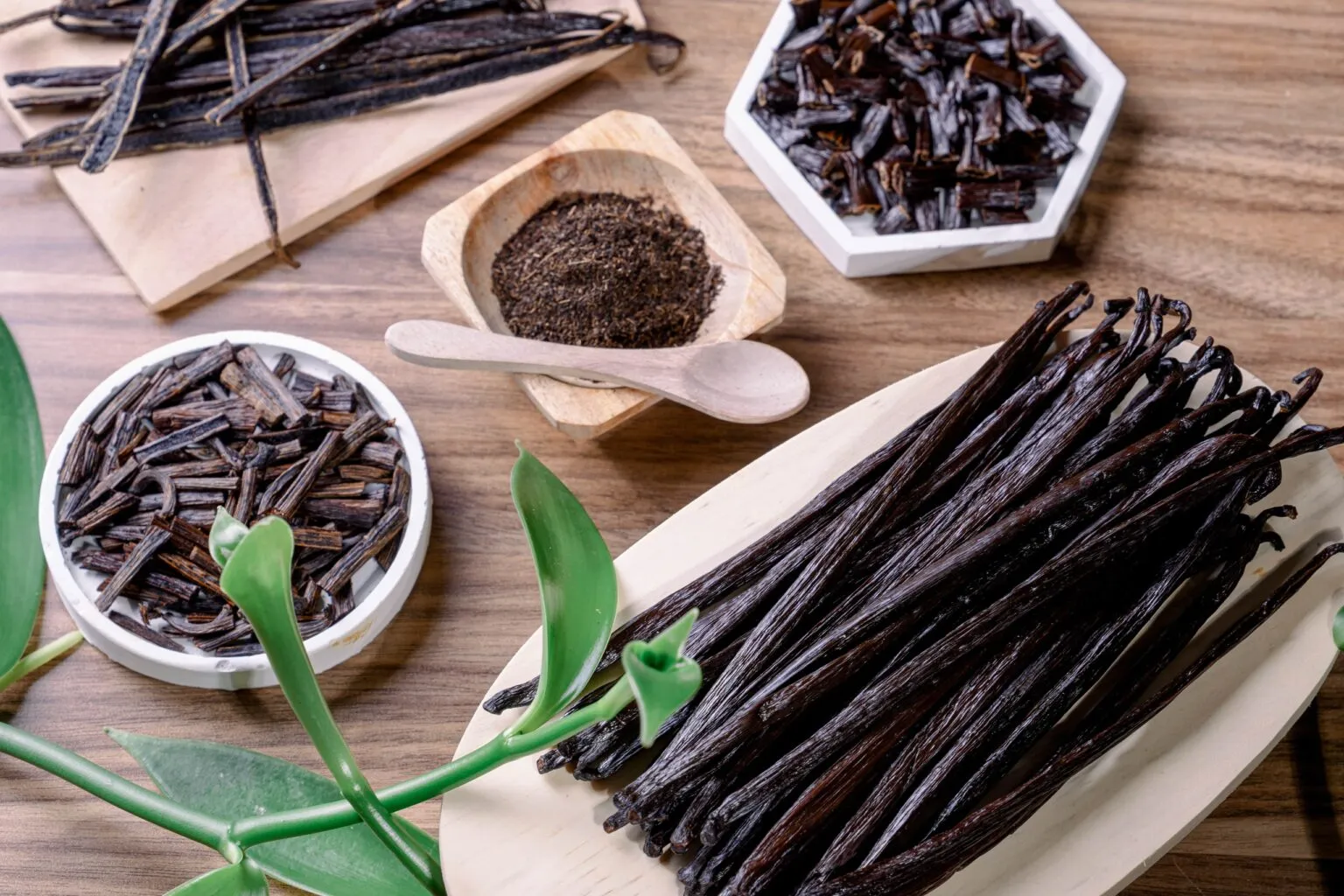
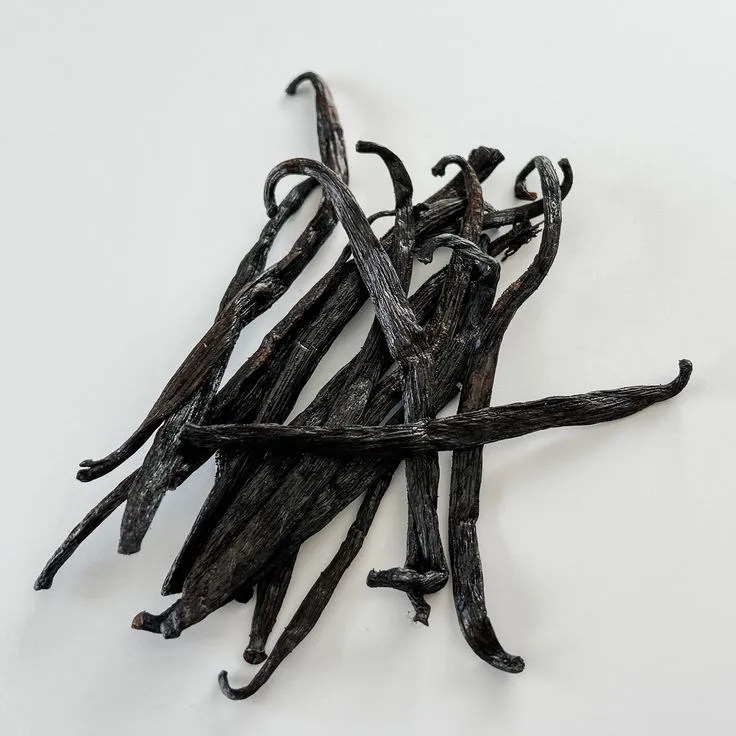
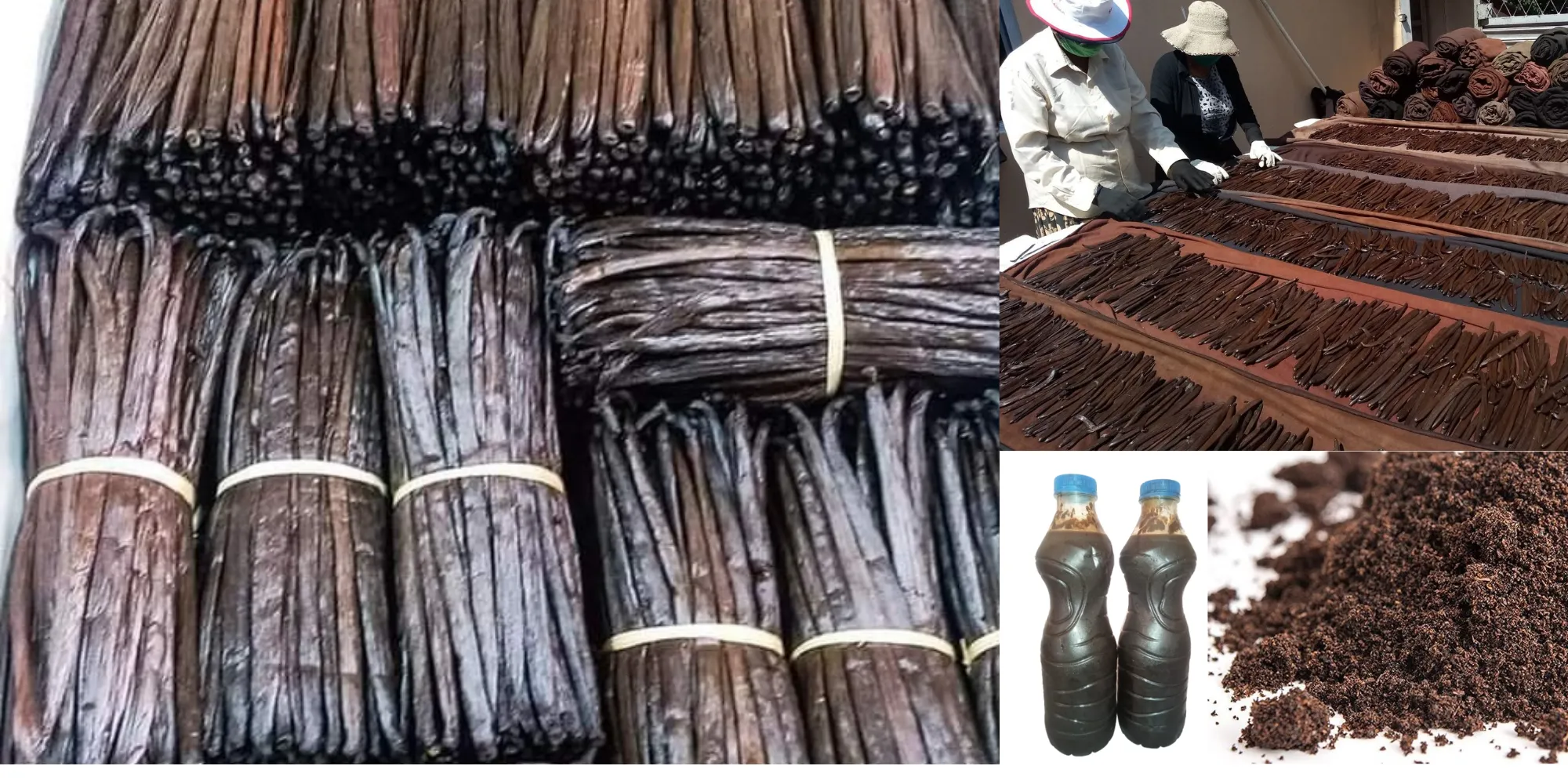
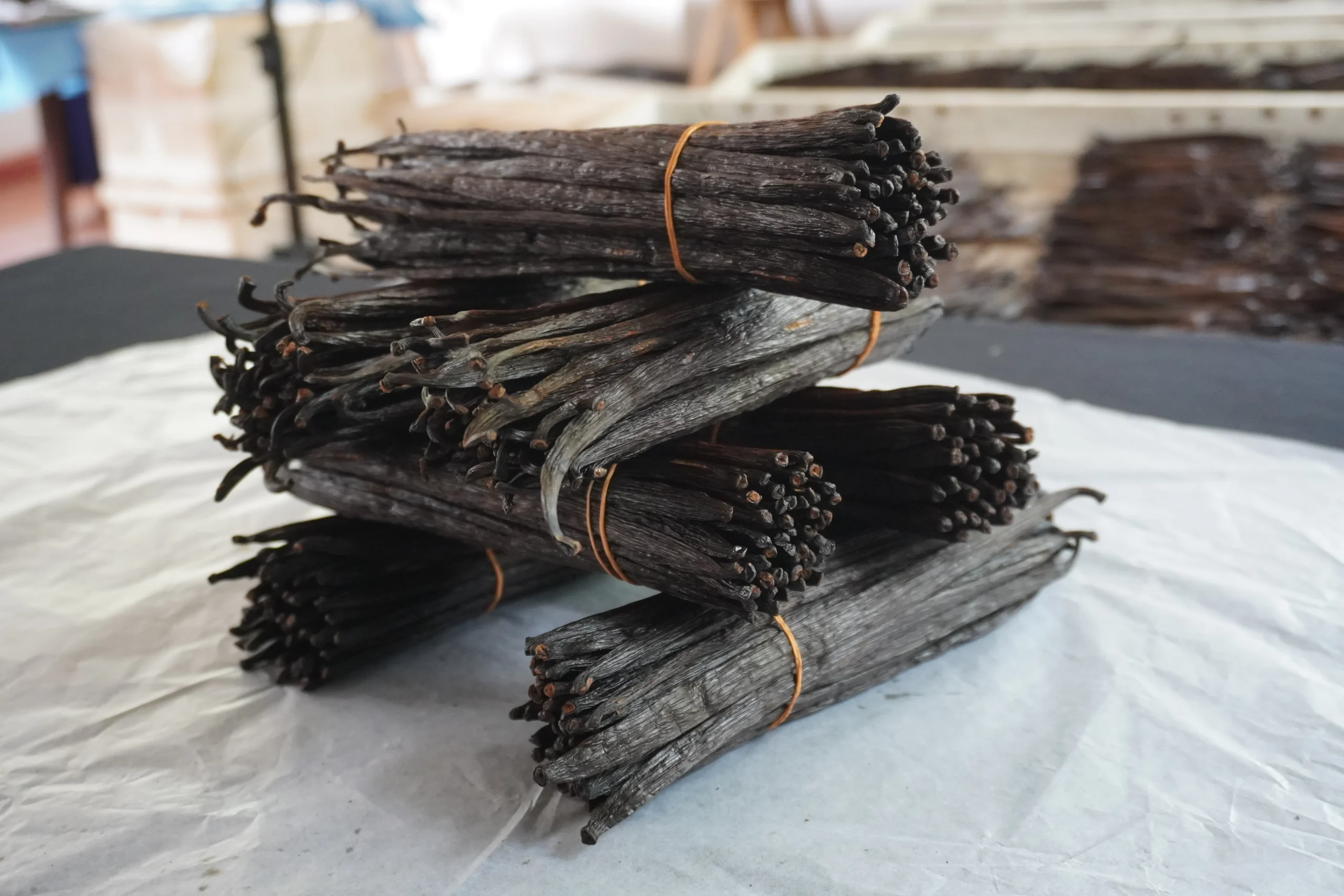
Grade A Vanilla Beans For gourmet beans, you may want to review the intended use, available size information, pack weight, appearance, and handling characteristics. If your recipe requires easy splitting and scraping, make that requirement clear. Grade labels are not a universal substitute for specifications. Discuss any essential length, moisture, or presentation requirements before confirming an order rather than assuming all Grade A beans are identical. View Bulk Grade A Vanilla Beans
-
Grade B Vanilla Beans For extract-making and infusion, focus on the amount and characteristics of the bean material you need. Ask about pack weight and any technical requirements relevant to your process. If you require analytical information, specify the parameter, units, reporting basis, and acceptance criteria. A description such as extraction-grade does not by itself establish the result of a laboratory test. View Sri Lanka Grade B Vanilla Beans
-
Vanilla Paste and Powder Paste and powder require their own product review. Ask for the current ingredient composition, intended use, packaging details, and storage guidance relevant to the proposed item. Do not apply a whole-bean specification automatically to a processed product. Added ingredients, processing, moisture, and the measurement basis can change how a result should be interpreted. Identify dietary or formulation restrictions before ordering. View Vanilla Bean Paste View Vanilla Bean Powder
Understanding the COA
What Is a Vanilla Bean Certificate of Analysis?
A certificate of analysis, often shortened to COA, records analytical information about an identified material, sample, or batch. Depending on its issuer and scope, it may report results for selected chemical, physical, or microbiological parameters.
A useful COA should allow you to understand what was assessed, how it was identified, and which results were reported. The document may be issued by a laboratory or prepared by a supplier using identified supporting results. Review the issuer and supporting evidence rather than assuming all COAs have the same origin.
A COA is not the same as an organic certificate, a certificate of origin, or a phytosanitary certificate. Those documents serve different purposes. It also does not automatically prove that every possible contaminant was tested or that the product meets every requirement in your market.
Before Approving Supply
How to Review a COA Before Approving Supply
Check the Product and Sample Identity
Confirm the product description and any lot, batch, sample, or order references. Ask how the tested sample relates to the material being offered. An authentic report for a different product or earlier lot may not answer your current purchasing question.
Check Dates, Issuer, and Methods
Review the sampling information, analysis dates, report date, and issuing organization where stated. Look for the test methods and any qualifications or limitations attached to the results.
If your quality system requires an accredited laboratory, verify the laboratory and relevant method scope. A logo alone does not establish that every test on a document falls within an accreditation.
Read Units and Reporting Basis
A vanillin result expressed on a dry basis is not directly interchangeable with a result reported on an as-received basis. Moisture affects that comparison. Check the units and reporting basis before comparing offers.
For microbiological or contaminant testing, examine the named organism or substance, method, and reporting limits. A result below a stated detection or quantification limit is not a claim that a substance is absent under every possible test.
Compare with Your Agreed Requirements
Assess results against your application, destination rules, and agreed acceptance criteria. A report’s conclusion may refer only to the criteria stated on that report. It should not be treated as blanket approval for every use or country.
Raise questions before purchase approval. If additional testing is necessary, discuss feasibility, sampling, timing, responsibility, and cost before the order moves forward.
Defined Test Scope
Common Analytical Questions to Discuss
Moisture and vanillin content are common topics in vanilla purchasing, but the appropriate parameters depend on your use. Vanillin is one component of vanilla aroma, not a complete sensory score or an automatic measure of overall quality.
Some buyers may also require microbiological analysis, pesticide-residue screening, heavy-metal testing, or another defined assessment. These are separate requests with specific methods and scopes; they should not be assumed to be included because a COA exists.
Share your specification or requested test panel. Identify any required limits, methods, and reporting format so the discussion concerns a defined requirement rather than a general request for full testing.
Claims & Validity
Certifications: Verify the Claim and Its Scope
Product, Operator & Validity
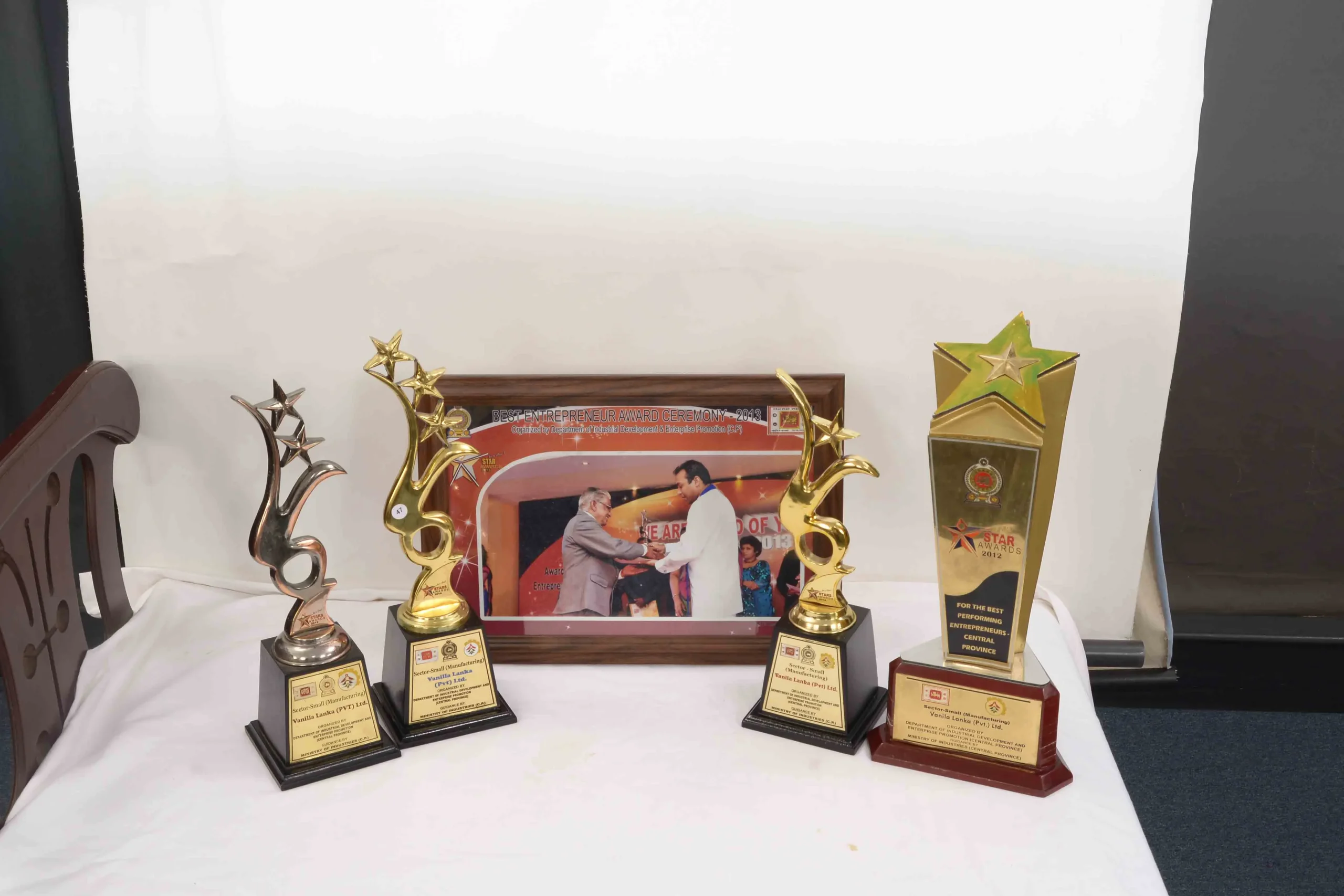
If your purchase requires organic, halal, kosher, or another certification, name the exact requirement. Certification status must be checked for the relevant operator, activity, product, and validity period.
Do Not Substitute One Claim for Another
A description of farming practices is not interchangeable with a current third-party organic certificate. Likewise, a facility registration does not amount to government approval of every product, and a laboratory test report is not automatically a product certification.
Issuer, Reference, Scope & Dates
Request the actual supporting document and review its issuer, certificate reference, scope, and dates. Where appropriate, verify the information through the issuing organization or scheme directory.
This page does not replace that review or establish that every product carries every certification mentioned. Confirm the applicable evidence before using a certification claim in your own purchasing or marketing materials.
Transaction Documents
Product, Lot, and Shipment Documents
Different documents support different parts of a transaction. A product specification describes stated characteristics or requirements. A COA reports defined analytical information. An ingredient declaration explains composition for the identified product.
A certificate of origin and a phytosanitary certificate address different trade or plant-health matters and may depend on the shipment and destination. Neither should be treated as a substitute for the analytical report your quality team requires.
Tell us your destination and document needs early. Final document requirements should be checked with your importer, broker, or relevant authority and agreed before dispatch rather than discovered after the shipment is arranged.
Initial Supplier Evaluation
Need a Sample COA for Supplier Review?
Ask whether an approved example report can be shared for initial evaluation. Any sample document should be identified as an example and interpreted only within its stated scope.
A historical sample can help your team understand a report format, but it is not a guaranteed specification for future supply. Before approving an actual order, confirm which product or lot the available evidence covers and whether it meets your requirements.
Process
How to Request Quality Information
1
Step 1: Identify the Product
Send the product name, intended application, expected quantity, and any quotation or order reference. Add a lot reference if your question concerns material already received.
2
Step 2: Define the Evidence Required
List the documents, parameters, certification scheme, or acceptance criteria your team needs. Attach your specification where practical and identify any review deadline.
3
Step 3: Review What Can Be Provided
Confirm document availability, relevance, and any limitations. If further analysis or certification verification is needed, agree the next steps before committing to supply.
4
Step 4: Confirm the Order Requirements
Record the agreed product specification and document expectations in the purchasing discussion. Resolve discrepancies before approving the order or using product claims in your own materials.
FAQ
Frequently Asked Questions
Does One COA Apply to Every Shipment?
No. A report relates to its identified sample or batch and stated scope. Ask how that evidence connects to your proposed order rather than assuming previous results apply to new material.
Can I Request Specific Tests?
You can submit your required parameters and methods for discussion. Availability, sampling requirements, timing, and costs must be confirmed. A request does not mean the test has already been completed or is included automatically.
Is a High Vanillin Result Enough to Choose a Supplier?
No. Consider the reporting basis, intended application, sensory characteristics, relevant safety requirements, packaging, and the reliability of the supporting information. One analytical value does not replace a complete purchasing assessment.
Are Certification Documents and Laboratory Reports the Same?
No. A certification document concerns a defined scheme and scope, while an analytical report records specified findings for an identified sample. Check which evidence your business actually requires.
Next Step
Make Your Next Vanilla Purchase an Informed One
Start with clear requirements and review evidence that matches the product you intend to buy. Send your quality questions, required documents, and planned quantity so the relevant details can be discussed before you proceed.
Email your requirements to [email protected].