You find a recipe asking for one vanilla pod, then open a shop listing that sells vanilla beans. Are they different ingredients? Do you need to change the amount, choose another product, or look for a particular variety?
The answer is simple: in everyday cooking and shopping, vanilla beans and vanilla pods usually mean the same thing. Both names refer to the whole, elongated fruit of the vanilla orchid, typically sold after curing. The terminology changes more than the ingredient does.
When comparing vanilla beans vs vanilla pods, focus on what the seller actually supplies. A whole cured pod is different from loose seeds, vanilla powder, paste, or extract. Once you understand those distinctions, shopping and recipe substitutions become much easier.
Vanilla Beans vs Vanilla Pods: The Quick Answer
A whole vanilla bean and a whole vanilla pod are generally interchangeable terms in a recipe. If a recipe calls for one vanilla pod, you can normally use one whole vanilla bean of a suitable size and quality.
There are three useful distinctions to remember:
- The whole bean or pod includes the outer wall and the seeds inside.
- Vanilla seeds are the tiny specks scraped from the interior, not the entire pod.
- Vanilla extract, paste, and powder are separate products, not alternative names for whole pods.
A listing labeled “vanilla beans” should still be checked for product form. Some sellers also offer cuts, split beans, or other extraction materials. The name alone does not tell you the grade, weight, condition, or intended use.
What Is a Vanilla Pod?
Vanilla comes from orchids in the genus Vanilla. Following pollination, the plant develops a long fruit containing many tiny seeds. In culinary language, that fruit is commonly called a pod.
The green fruit harvested from the vine is not the same ingredient as the dark, aromatic vanilla sold for baking. It goes through curing and conditioning processes that develop its familiar aroma and change its appearance and moisture level.
By the time a cured pod reaches your kitchen, it includes an outer wall and a seed-filled interior. Both contribute to cooking. Scraping out the seeds gives you visible specks, while steeping the pod can bring additional flavor into milk, cream, or another suitable recipe liquid.
Botanically, vanilla is not a bean like a kidney bean or a chickpea. “Vanilla bean” is the established culinary name rather than a description of a legume.
Why Do People Call Them Vanilla Beans?
Ingredient names do not always follow botanical categories. Over time, “vanilla bean” became a familiar commercial and culinary term for the cured whole fruit. “Vanilla pod” remained another widely used name for the same ingredient.
Usage varies between recipes, suppliers, and markets. You may see bean more often on one website and pod more often in a cookbook. That preference does not establish a difference in quality, strength, or species.
There is no need to buy two separate ingredients simply because your shopping list uses both words. Instead, compare the product description and the recipe instructions. If both refer to a whole cured vanilla fruit, you are usually looking at the same product form.
Are Vanilla Seeds the Same as Vanilla Beans?
No. This is the distinction that causes the most practical confusion.
A whole vanilla bean contains the seeds, but a jar of vanilla seeds does not contain the same amount of pod material as a whole bean. The tiny dark specks are often called vanilla caviar, although product formulations sold under that name can vary.
When a recipe says to split and scrape one bean, it usually wants the seed-filled pulp from the interior. Sometimes it also instructs you to steep the emptied pod. Read the full method before discarding anything.
If you purchase loose seeds, check the ingredient list and the supplier’s directions. Do not assume that a spoonful equals one whole pod. Seed products may differ in moisture, concentration, processing, and whether other ingredients are included.
What Actually Makes One Vanilla Bean Different from Another?
The word bean versus pod tells you very little about the characteristics of the ingredient. These are the details worth comparing instead.
Species and Origin
Commercial vanilla includes different species and growing origins. Two products can both be called vanilla beans while having noticeably different aromatic profiles.
Origin is useful information, but it is not a complete quality assessment. Growing conditions, harvest maturity, curing, storage, and the individual lot all influence the result. Avoid assuming that one country automatically supplies the best vanilla for every recipe.
Grade and Intended Use
Grade A is commonly used for gourmet beans intended for splitting, scraping, and cooking. Grade B is commonly associated with extraction. Supplier grading systems vary, so those labels should be read alongside the actual specifications.
Gourmet beans are often more flexible and easier to scrape. Extraction-grade beans can be drier and less visually uniform while remaining useful for an infusion. Neither the word bean nor pod tells you which grade you are buying.
For recipes where easy scraping matters, look for a clearly described gourmet product. Explore our Grade A vanilla beans here: https://purevanillabeans.com/product/buy-bulk-grade-a-vanilla-beans/. Check the current options and product details before selecting your quantity.
Size, Moisture, and Pack Weight
One long, well-filled pod is not necessarily equivalent to one smaller, drier pod. That matters when a recipe measures vanilla by bean count rather than weight.
Look beyond the number of beans in the packet. Compare the net weight, approximate length, intended use, and supplier guidance. A lower price per bean may not mean a lower price for the amount of usable vanilla you receive.
For extraction and larger production batches, weighing ingredients is more consistent than assuming every pod contributes the same amount of material. For a home dessert, bean count can be a convenient starting point, with adjustments based on experience.
How to Use a Whole Vanilla Bean or Pod
The preparation method is the same whichever name appears on the packet. Start with a sound cured bean and follow the requirements of your recipe.
Step 1: Split the Pod Lengthwise
Place the vanilla bean on a stable cutting board. Using a small, sharp knife, carefully slit it along its length. Keep your fingers clear of the blade and work slowly rather than forcing the knife through a firm pod.
If a bean is too dry to open easily, choose a preparation suited to its condition. Chopping may work for an infusion, while a dessert requiring scraped seeds may be easier with a more flexible gourmet bean.
Step 2: Scrape Out the Seed-Filled Pulp
Open the split pod and gently draw the back of the knife along the interior. Collect the dark seed-filled pulp and add it as directed in your recipe.
You do not need to obtain perfectly separated individual seeds. The sticky pulp is a normal part of what you scrape from the pod. Mix it thoroughly into the recipe so that it does not remain in one clump.
Step 3: Use the Outer Pod When Appropriate
If the recipe includes an infusion step, add the scraped pod to the milk or cream and remove it when instructed. The outer pod is not simply packaging for the seeds.
Do not put a pod that has been soaked in milk back into a container of unused whole beans. Used pods have different storage requirements and should be handled according to the recipe rather than treated as dry pantry stock.
Can You Substitute a Vanilla Bean for a Vanilla Pod?
Yes. When both terms mean a whole cured vanilla fruit, substitute one for one as a starting point. You do not need a conversion chart just because the recipe and the shop use different names.
Check the size and intended use, however. A recipe developed with a large gourmet bean may taste different if you use a much smaller pod. The same issue would exist even if both products used identical wording on their labels.
Read whether the recipe wants seeds only, an infusion with the whole split pod, or both. Those instructions matter more than the choice between bean and pod.
Vanilla Beans, Extract, Paste, and Powder Compared
Whole beans are useful when you want control over preparation, visible seeds, or a pod to steep in liquid. They require more handling than a ready-to-measure product.
Vanilla extract is a liquid preparation that is easy to distribute through batters and doughs. It does not automatically provide the same visible seed effect as scraped vanilla. Check its formulation if alcohol content or other ingredients matter to your use.
Vanilla bean paste is a convenient option when visible specks are desired without splitting a pod. Formulations vary and may include sweeteners, thickeners, or other ingredients. Follow the brand’s recommended usage rather than assuming all pastes have the same strength.
Vanilla powder also needs careful label reading. A powder may be ground whole vanilla, a formulated flavoring, or another product sold under similar wording. Its composition determines how it should be used.
There is no universal conversion that works perfectly across every bean size and every extract, paste, or powder. Use the recipe’s suggested substitution or the product manufacturer’s guidance, then adjust future batches to your preference.
How to Choose Vanilla Beans for Your Recipe
For custards, pastry cream, and desserts where scraping is important, choose well-described gourmet beans that are easy to handle. For an infusion, consider the full recipe and the amount of liquid rather than appearance alone.
For homemade extract, extraction-grade beans can be a practical choice. Confirm the pack weight and use a measured recipe. A count-based pack should not be assumed to contain a specific weight without supplier information.
How Should You Store Vanilla Beans or Pods?
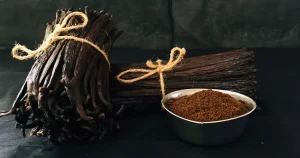
Both names describe an ingredient with the same basic storage needs. Keep whole cured beans in clean, dry, airtight packaging, away from direct sunlight and heat. Follow the storage instructions supplied with your purchase.
Leave beans whole until needed and use clean, dry hands or utensils. Keep different batches labeled so that you can use older stock first and identify any packaging problem.
Avoid adding water or a damp towel to the storage container. If beans dry out, that does not automatically mean they are spoiled, but rewetting your entire supply creates a different storage environment. Choose a suitable recipe for sound drier beans instead.
Frequently Asked Questions
Is One Vanilla Bean the Same as One Vanilla Pod?
Usually, yes. In a recipe, both normally mean one whole cured vanilla fruit. Differences in size and condition still matter, so check the product description and preparation method.
Does Vanilla Bean Mean Seeds Only?
Not normally. The phrase vanilla bean generally refers to the whole pod. If a product contains only seeds, the description should make that clear. Read the ingredient list before buying.
Is a Vanilla Pod Better Than Vanilla Extract?
Neither is automatically better for every application. Pods offer hands-on control and visible seeds, while extract is convenient to measure and mix. The right choice depends on the recipe and the product.
Do Vanilla Bean Specks Prove a Product Is Better?
No. Visible specks affect appearance, but they do not establish overall flavor strength or quality. Evaluate the ingredient list, product description, and finished result rather than appearance alone.
Choose the Ingredient, Not Just the Name
The answer to vanilla beans vs vanilla pods is straightforward: they are generally two culinary names for the same whole ingredient. The meaningful differences are grade, origin, size, condition, and product form.
Read the label, follow the recipe’s preparation instructions, and choose a quantity that suits your needs. Browse our Grade A vanilla beans at https://purevanillabeans.com/product/buy-bulk-grade-a-vanilla-beans/, or request current wholesale information at https://purevanillabeans.com/#quote-form.