You reach for vanilla and find two very different prices. One bottle says pure vanilla extract, another says imitation vanilla, and a packet of whole beans costs more again. Are you paying for a meaningful ingredient difference or simply a more attractive label?
The answer depends on what you are buying and how you will use it. Comparing real vs artificial vanilla means looking at ingredient source, formulation, flavor, labeling, and cost. It does not mean assuming that every natural product is better for every recipe or that every artificial flavor is unsafe.
Real vanilla generally costs more because growing, harvesting, curing, and preparing vanilla beans requires time and work. Whether that extra cost is worthwhile depends on your recipe, your flavor preferences, and any requirements behind the label you want to use.
Real vs Artificial Vanilla: The Quick Answer
Bean-derived vanilla ingredients obtain their vanilla character from cured vanilla beans. Whole beans, extracts, pastes, and powders can all be part of this category, but their formulations differ.
Artificial or imitation vanilla flavorings typically use manufactured flavor compounds, often including vanillin, rather than relying solely on vanilla-bean extraction. The exact composition depends on the product, so read the ingredient list instead of treating every imitation bottle as identical.
Both can provide a recognizable vanilla note. Bean-derived vanilla brings a broader mixture of constituents, while a formulated flavoring can offer convenience, consistent dosing, and a lower cost for some applications.
Choose according to the actual product and the result you need. Price alone does not establish safety, strength, or how much you will enjoy the finished food.
What Counts as Real Vanilla?
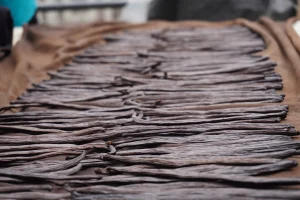
In everyday conversation, real vanilla usually means an ingredient derived from vanilla beans. That includes whole cured pods and preparations made from them, but the phrase is not a substitute for a complete product description.
Whole beans contain the outer pod and seed-filled interior. Extract is a liquid preparation. Paste commonly adds a thicker texture and visible seeds, while powder descriptions require careful reading because products can differ in composition.
A product can contain vanilla beans alongside other ingredients. For example, a paste may include sweeteners or thickeners. That does not make it automatically unsuitable, but it means the words vanilla bean do not tell you the whole formulation.
If you are comparing formats, read our vanilla extract vs vanilla bean paste guide. Choose a format that fits your recipe rather than assuming every bean-derived preparation performs the same way.
What Is Artificial or Imitation Vanilla?
Imitation vanilla is a formulated flavoring designed to provide vanilla character. Many products rely heavily on vanillin, although a particular formulation may include other flavor components, carriers, colors, or sweeteners.
Vanillin can be manufactured through different routes and from different starting materials. A vanillin molecule is not chemically different simply because one molecule originated in a vanilla bean and another was produced elsewhere. The surrounding mixture and the product formulation are important differences.
Do not assume that every non-bean flavoring has the same labeling category. Terms such as artificial, natural flavor, imitation, and vanilla extract depend on the ingredients, production route, and rules in the relevant market.
For purchasing or labeling decisions, review the actual declaration and ask for product information when necessary. A short front-label phrase cannot answer every technical question.
Why Real Vanilla Costs More
Growing Vanilla Requires Attention
Vanilla is an agricultural crop, not an ingredient produced instantly from a recipe. Establishing vines, managing the growing environment, and maintaining the plants require resources before a commercial harvest is available.
Commercial vanilla production commonly involves careful hand pollination. Flowers have a limited opportunity for successful pollination, so timing and skilled attention matter. These activities contribute to the cost of the eventual ingredient.
For background on the crop, explore our vanilla cultivation in Sri Lanka guide. Farming conditions and practices vary, so avoid assuming that every producer has the same costs or methods.
Harvesting and Curing Take Work
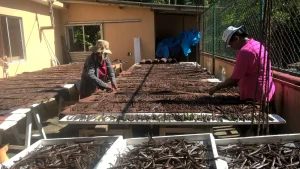
Green vanilla fruit is not the dark, aromatic pod sold for baking. Curing develops the characteristics buyers expect through managed steps that commonly include a killing treatment, sweating, drying, and conditioning.
Sorting, handling, and protecting the material also take work. The saleable ingredient reflects more than the time spent picking a pod. Poor handling can reduce quality or leave material unsuitable for its intended use.
Specifications and Supply Affect the Offer
Origin, grade, size, condition, order quantity, packaging, and delivery scope can all influence the price. A gourmet whole bean and an extraction lot are different offers, even when both come from the same country.
Avoid treating a high retail price as proof of ethical sourcing or superior flavor. Those are separate claims that need supporting information. Compare the specification and the commercial arrangement as well as the price.
Our wholesale vanilla page provides a starting point for comparing product descriptions and lot sizes rather than judging by a packet’s headline price alone.
Does Real Vanilla Always Taste Better?
Not in every recipe or to every person. Bean-derived vanilla can offer aromatic complexity that some tasters appreciate, particularly when vanilla is a prominent flavor. However, the difference you notice depends on the products, dose, recipe, and preparation.
A delicate custard and a strongly flavored chocolate cake create different tasting conditions. Fat, sugar, other ingredients, and serving temperature also affect perception. A result in one dessert should not become a universal claim about every use.
Manufactured flavorings can be formulated for particular applications. Likewise, poorly stored beans or an unsuitable extract are not guaranteed to outperform a well-chosen alternative simply because they originate from vanilla orchids.
The fairest test uses the same recipe and a clearly defined dosing approach. Compare the finished foods, ideally without telling tasters which sample contains the more expensive ingredient.
When Paying More for Real Vanilla Can Make Sense
Vanilla-Forward Desserts
Custards, pastry cream, ice cream, and simple dairy desserts give vanilla a prominent role. These are useful places to evaluate whether you prefer the aroma of a particular bean-derived product.
Whole pods also allow an infusion step, while scraped seeds create a visible effect. If that is part of the dessert you want to serve, whole vanilla offers a preparation experience that a clear flavoring does not replicate.
Recipes Featuring Visible Seeds
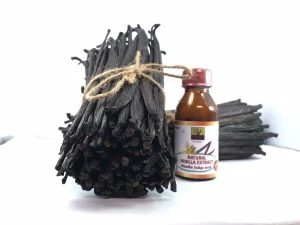
Vanilla beans or a suitable paste can add visible specks to pale fillings and desserts. That appearance may suit your presentation, but specks alone do not prove stronger flavor, authenticity, or overall quality.
Learn how to prepare the whole ingredient in our guide to vanilla beans and pods. Read the full recipe before discarding the outer pod, because some methods use both the seeds and pod.
Products with Defined Ingredient Requirements
A business may choose bean-derived vanilla to meet an approved formulation or a specific labeling requirement. That choice should be supported by product documents, not just an appealing description.
Check composition, relevant claims, and the requirements in your market. Neither real vanilla nor artificial vanilla automatically establishes organic, halal, vegan, or allergen-free status for the finished ingredient.
When a Lower-Cost Flavoring May Be Practical
For some everyday baking, a suitable imitation product may deliver a result you enjoy at a lower cost. That can be a reasonable choice when the formulation meets your requirements and the finished flavor works.
Consider products where vanilla is a background note among stronger flavors. Test before assuming you need the most expensive format, especially when a whole pod adds preparation time without a noticeable benefit in your recipe.
Commercial buyers should also consider consistency and process fit. The best choice is not necessarily the lowest price per bottle; it is the appropriate ingredient at a workable cost per finished batch.
Is Artificial Vanilla Unsafe?
Artificial does not automatically mean unsafe, and natural does not automatically mean safe. Safety depends on the specific ingredient, permitted use, formulation, quality controls, and the rules applying in your market.
Buy food-grade products from reputable sources, follow usage instructions, and check relevant declarations. Avoid sweeping claims that an entire category is toxic or that a natural ingredient has no limitations.
If you have an allergy, dietary restriction, or medical concern, review the actual product information and seek qualified advice where needed. Marketing terms cannot replace that assessment.
How to Read a Vanilla Label
Start with the full product name and ingredient list. Determine whether you are buying whole beans, extract, paste, powder, or a formulated flavoring. Check whether the product is concentrated and how the manufacturer recommends using it.
Next, review added ingredients and claims relevant to you. Alcohol content, sweeteners, carriers, and certification scope may matter depending on the application. Cooking is not a guarantee that every trace of alcohol disappears.
For technical purchasing, a vanillin percentage is only one part of the picture. It does not establish the ingredient’s complete identity or prove its origin. Our vanillin content guide explains why reporting basis and sample information matter.
If you need supporting documents, review our quality and certification information and specify the evidence required for the product you intend to buy.
Compare Cost per Recipe, Not Just Pack Price
Calculate the cost of the amount you actually use. A concentrated product may require less than another formulation, while whole beans introduce preparation and sometimes infusion losses.
For a useful comparison, record product cost, dose, usable quantity, and the finished result. Businesses can also account for handling time, packaging, waste, and purchasing requirements.
If you want to try home extraction, remember that beans, spirit, bottles, and time all contribute to the project. Homemade is not automatically cheaper. Follow a measured homemade vanilla extract recipe rather than assuming a few pods in a large bottle will give a comparable result.
Frequently Asked Questions
Is Vanillin the Same as Vanilla?
No. Vanillin is a compound associated with vanilla flavor. Whole vanilla contains a wider mixture of constituents, and a prepared vanilla product also has its own formulation.
Can I Replace Real Vanilla with Imitation Vanilla?
Often, but follow the product’s directions and consider the recipe. Different concentrations and formulations mean an equal-volume substitution is not a universal rule. Test a small batch when the result matters.
Do Black Specks Prove a Product Contains Only Real Vanilla?
No. Visible particles do not establish the complete formulation or authenticity. Read the ingredient list and request suitable evidence if the claim is important to your purchase.
Is Real Vanilla Always Worth the Extra Cost?
That is a recipe and purchasing decision, not a universal fact. Evaluate flavor, appearance, ingredient requirements, convenience, and cost together. Spend more where the difference serves a clear purpose.
Choose Vanilla for the Result You Want
The real vs artificial vanilla decision is best made without blanket claims. Real vanilla costs more for understandable agricultural and processing reasons, but the most useful ingredient is the one that fits your recipe and requirements.
To work directly with whole pods, explore our Grade A Sri Lankan vanilla beans. For business quantities and product questions, request a vanilla quotation with your intended application and specifications.