
A whole vanilla bean can look like a small ingredient with a big preparation challenge. Should you scrape the seeds, simmer the pod, or put the whole thing into a bottle? And what can you do with the outer pod once the seeds are gone?
Learning how to use vanilla beans starts with understanding that both the seed-filled pulp and the outer pod can contribute flavor. Some recipes use the scraped interior, others steep the pod in liquid, and a few use both.
Below are nine practical ways to work with whole vanilla, from custards and cookies to sugar and homemade extract. Choose sound, properly cured beans, follow the recipe you are making, and avoid treating every leftover pod as suitable for long-term pantry storage.
How to Split and Scrape a Vanilla Bean
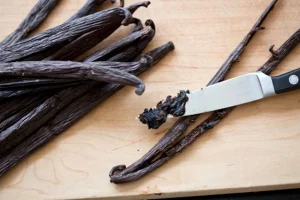
Place the bean on a stable cutting board. Using a small, sharp knife, carefully slit it along its length, keeping your fingers clear of the blade. Open the split pod and gently draw the back of the knife along the inside to collect the dark seed-filled pulp.
That sticky pulp is what many recipes mean when they ask for the seeds of one bean. You do not need to separate each tiny seed. Scrape the collected material into the recipe and mix thoroughly so it does not remain in a single clump.
Keep the outer pod if your recipe includes an infusion step. It is not simply packaging for the seeds. If the distinction between bean, pod, and seeds is confusing, our vanilla beans vs vanilla pods guide explains the terminology.
What If the Bean Is Too Dry to Split?
A drier bean is not automatically spoiled, particularly if it was sold for extraction. Chopping can be easier than splitting when you plan an infusion. For a recipe that needs scraped seeds, a flexible gourmet bean is usually easier to handle.
Do not add water to your entire stored supply to soften it. Prepare only the amount needed for the recipe. Avoid using beans with suspicious growth or an unexpected musty odor, regardless of how you intend to cook them.
1. Scrape Seeds into Cakes and Cookies
Scraped vanilla works well in cake batters, cookie doughs, and other baked mixtures where you want to distribute the seeds throughout the recipe. Pale mixtures also make the specks more visible.
Blend the seed-filled pulp into a small portion of the recipe’s wet ingredients before combining everything. This can help break up sticky clumps. Follow the recipe’s mixing method rather than adding extra liquid solely to distribute the vanilla.
If you are replacing extract with a whole bean, look for guidance from the recipe author or product supplier. Bean size and product concentration vary, so there is no conversion that perfectly matches every pod to every teaspoon of extract.
For easy splitting and scraping, explore our Grade A vanilla beans and check the current product description before choosing a pack.
2. Infuse Milk or Cream for Custards
A split pod can flavor the liquid used in custards, pastry cream, panna cotta, and similar desserts. Depending on the recipe, you may add the scraped pulp and outer pod together, then remove the pod before completing the preparation.
Use the recipe’s temperature, steeping time, and food-handling instructions. Do not assume that a longer infusion is always better or leave dairy at room temperature for an extended period to extract more flavor.
For delicate desserts, start with a familiar recipe and record your bean quantity. That makes it easier to adjust the next batch without guessing whether the difference came from the pod, the liquid volume, or the steeping method.
A pod that has been in dairy is a used food ingredient, not dry pantry stock. Do not return it to a jar of unused vanilla beans.
3. Make Vanilla Ice Cream or Gelato
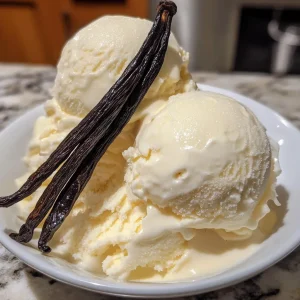
Whole beans can add flavor and visible specks to a frozen dessert. Many methods combine scraped seeds with a pod infusion in the base, but the exact preparation depends on whether you are making a cooked custard, another dairy base, or a plant-based recipe.
Remove pod pieces as directed before churning. Judge the result in the finished frozen dessert rather than only in a warm base, because the eating experience changes with temperature and formulation.
Whole beans are not your only option. Paste can provide convenient preparation and specks, while a suitable powder may fit another workflow. Our extract vs vanilla bean paste comparison explains why those formats should not automatically be substituted at equal amounts.

4. Add Seeds to Buttercream and Dessert Fillings
Scraped vanilla can give buttercream, whipped toppings, cheesecake fillings, and other pale preparations a speckled appearance. Mix the pulp thoroughly into a suitable part of the recipe to avoid uneven distribution.
Pay attention to your desired finish. Vanilla seeds create visible marks, so they may not suit a frosting intended to look completely white and smooth. The visual choice is separate from the flavor choice.
For a preparation that will not be cooked, use ingredients appropriate for that application and follow the recipe’s storage requirements. Adding vanilla does not change the refrigeration needs of a dairy-based filling or topping.
When you need consistent dosing without scraping multiple beans, a suitable paste may be convenient. Check the formulation and usage guidance instead of assuming every paste has the same strength.
5. Make Vanilla Sugar with a Dry Pod
Vanilla sugar is a way to add vanilla aroma to sugar used in baking or as a finishing ingredient. Start with a clean, completely dry food-safe container, dry sugar, and a sound cured pod that has not been soaked in a recipe liquid.
You can use a dry scraped pod, provided it remains suitable for the preparation. Bury it in the sugar, close the container, and allow the aroma to develop. Follow a trusted vanilla-sugar recipe for quantities and handling rather than treating any old leftover pod as appropriate.
Do not put milk-soaked, cream-soaked, or still-wet alcohol-soaked pods directly into sugar intended for pantry storage. Introducing moisture changes the storage conditions and may cause problems.
Vanilla sugar does not necessarily replace both sugar and vanilla in a recipe at an exact ratio. Use it where you want that aromatic addition, and adjust future batches based on the result.
6. Start Homemade Vanilla Extract
For a home alcohol-based infusion, use a measured recipe rather than counting a fixed number of beans. Pods vary in size and moisture, so bean weight is a more repeatable starting point.
A convenient home recipe uses approximately 28 grams of beans for 237 millilitres of 40% ABV vodka. Split or chop the beans, keep the pieces covered, seal the jar, and store it away from heat and sunlight. Plan for months of infusion, not an instant result.
Use only a suitable food-grade spirit, and never heat alcohol to speed the process. This recipe does not establish the finished product’s legal strength or make it suitable for commercial sale without further controls.
Follow our complete homemade vanilla extract guide for the preparation steps. For a different volume, use the vanilla bean bottle-size calculation guide.
7. Flavor Puddings, Rice Pudding, and Porridge
A split pod can add vanilla character to a milk-based pudding, rice pudding, or porridge when the cooking method allows an infusion. Add it at the stage specified by your recipe and remove the outer pod before serving.
These familiar foods are useful for learning how a particular bean tastes. Keep the rest of the preparation simple if you want to compare vanilla, rather than combining it with several strong spices at once.
Avoid assuming one pod always suits every saucepan. The quantity of liquid, cooking method, bean size, and your preferred intensity all influence the outcome. Start with a recipe and keep a note of any adjustment you make.
8. Prepare a Vanilla Syrup for Drinks or Desserts
A recipe-based vanilla syrup can be used in coffee drinks, milk-based beverages, or as part of a dessert. A split bean can flavor the syrup during preparation, with the pod removed as directed.
Follow a trusted syrup recipe for the water-to-sugar ratio, heating method, storage, and use-by guidance. Sugar does not make every homemade syrup shelf-stable, and adding vanilla does not create a tested preservation process.
Keep syrup in an appropriate clean container and follow the recipe’s refrigeration instructions. Do not assume a bottle can remain on the counter indefinitely because it resembles a commercial coffee syrup.
Label the preparation clearly, including the date. If you plan to sell syrup, use a formulation and process reviewed for that purpose rather than transferring a home recipe directly into retail production.
9. Use Vanilla in Fruit Desserts
Vanilla can complement poached pears, baked apples, fruit compotes, and other fruit preparations. Depending on the recipe, you may add scraped pulp or steep the split pod in the cooking liquid.
Choose a recipe where the pod can be removed easily, or strain the liquid when appropriate. A whole pod left in a serving dish can be awkward for guests and should not be mistaken for a ready-to-eat garnish.
As with dairy preparations, a pod used in fruit liquid should not go back into your stock of unused cured beans.
Can You Reuse a Vanilla Pod?
Sometimes, but its previous use matters. A sound, dry pod scraped for a recipe is different from one that has been simmered in milk or soaked in syrup.
An already-used pod may also have less flavor available for another preparation. Reusing it does not guarantee the same result as starting with a fresh bean. Do not rely on an endless cycle of infusions to produce consistent strength.
Keep leftovers separate from unused stock and follow the relevant recipe’s handling instructions. If you are unsure about condition or storage history, do not try to rescue the ingredient by boiling it or adding alcohol.
Choosing and Storing Beans for These Uses
For scraping, flexible gourmet beans are often easier to handle. For an infusion or home extract, sound extraction-grade beans may be practical. Our Grade A vs Grade B guide explains why intended use matters more than treating grades as a simple ranking.
Keep whole cured beans in clean, dry, airtight packaging away from heat and direct sunlight. Follow the supplier’s instructions and leave the beans whole until needed. Read our vanilla bean storage guide for a fuller routine.
Frequently Asked Questions
Do You Use the Seeds or the Whole Pod?
It depends on the recipe. Scraped pulp mixes into batters and fillings, while the outer pod can flavor an infusion and then be removed. Some preparations use both.
Can You Eat the Outer Pod?
The cured pod is fibrous and is not usually served whole. Some products use processed ground vanilla, but that does not mean a whole pod is pleasant to chew. Follow the preparation method and remove it where instructed.
How Many Times Can You Reuse a Bean?
There is no dependable universal number. Previous use, condition, storage, and remaining flavor all matter. For repeatable results, use a defined recipe and fresh material rather than assuming a reused pod performs the same way.
Get More from Every Vanilla Bean
Knowing how to use vanilla beans means choosing the preparation that suits your recipe: scrape, steep, or make a measured infusion. Handle the seeds and outer pod thoughtfully, and keep used ingredients separate from your stored supply.
Explore the vanilla product range for your next recipe, or request a wholesale quote when you need larger quantities and product information for your business.